Your Party Members Don’t Want MPs to Be the Stars. Corbyn and Sultana Should Take the Hint

Your Party has finally been founded. But even after its November conference, questions remain. Will collective leadership collapse into sectarian squabbles? Will dual membership flood the party with Trots and troublemakers? And given the party’s painful birth, can it ever win elections?
Personally, I still have faith in Your Party’s 55,000 members who, yes, voted for collective leadership, much to the horror of political commentators, who’ll now have to make an effort to understand it; and yes, voted for dual membership, meaning the members of small, more radical leftwing parties could be allowed to join (this has been a particular red flag for some seasoned leftists, who fear factional infighting and theoretical suffocation draining the party of its electoral drive). But coverage of other important votes has been zero.
Together, these votes reveal a democratic vision that keeps the party in members’ hands and could, with proper stewardship, yet be successful. They show that Your Party’s members, far from being capricious, romantic or plain mad as the media would have you believe, are rational, focused and hard-working. After all, they’ve tirelessly read, amended and discussed party documents, while organising and attending regional assemblies across the country.
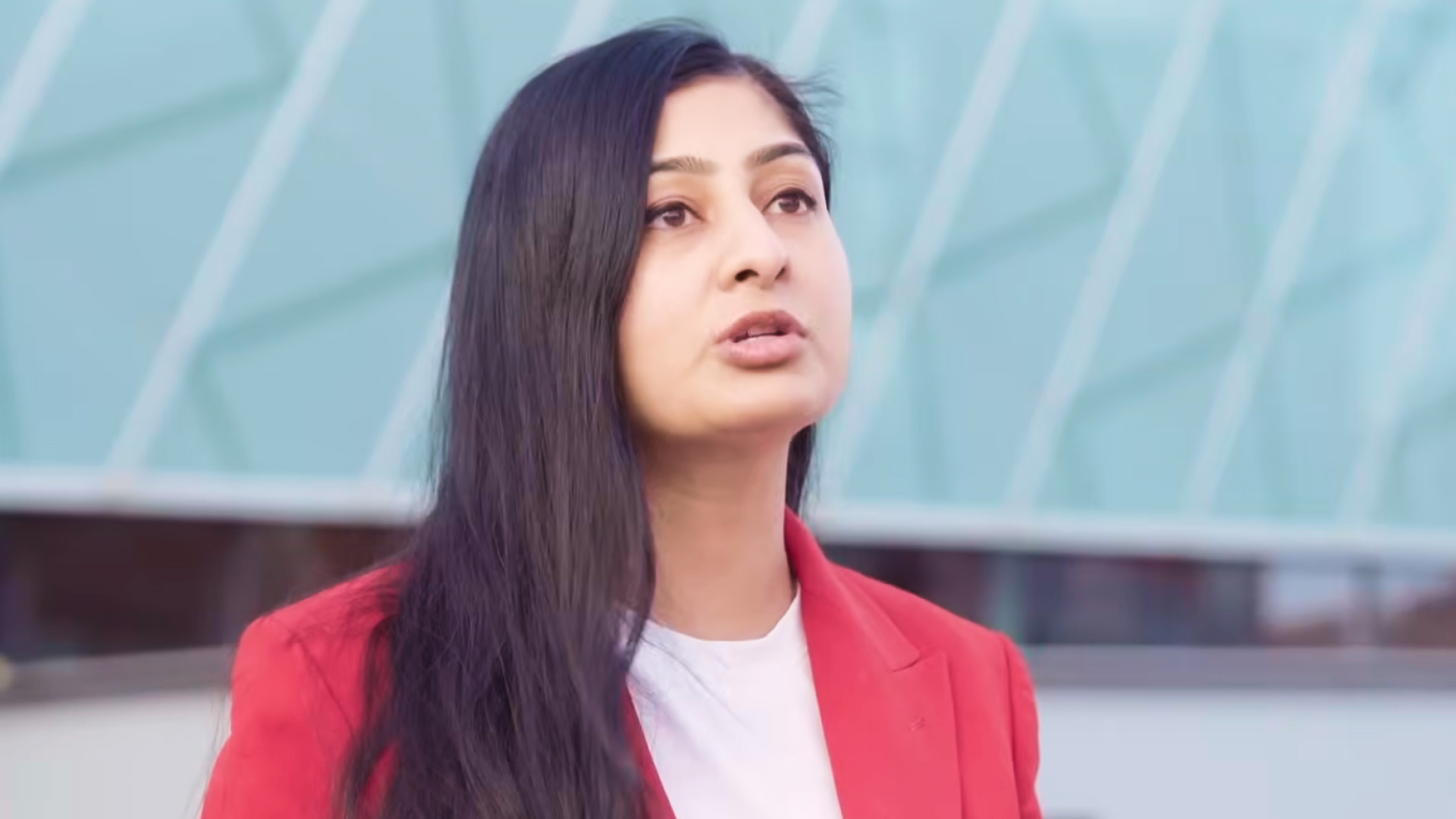
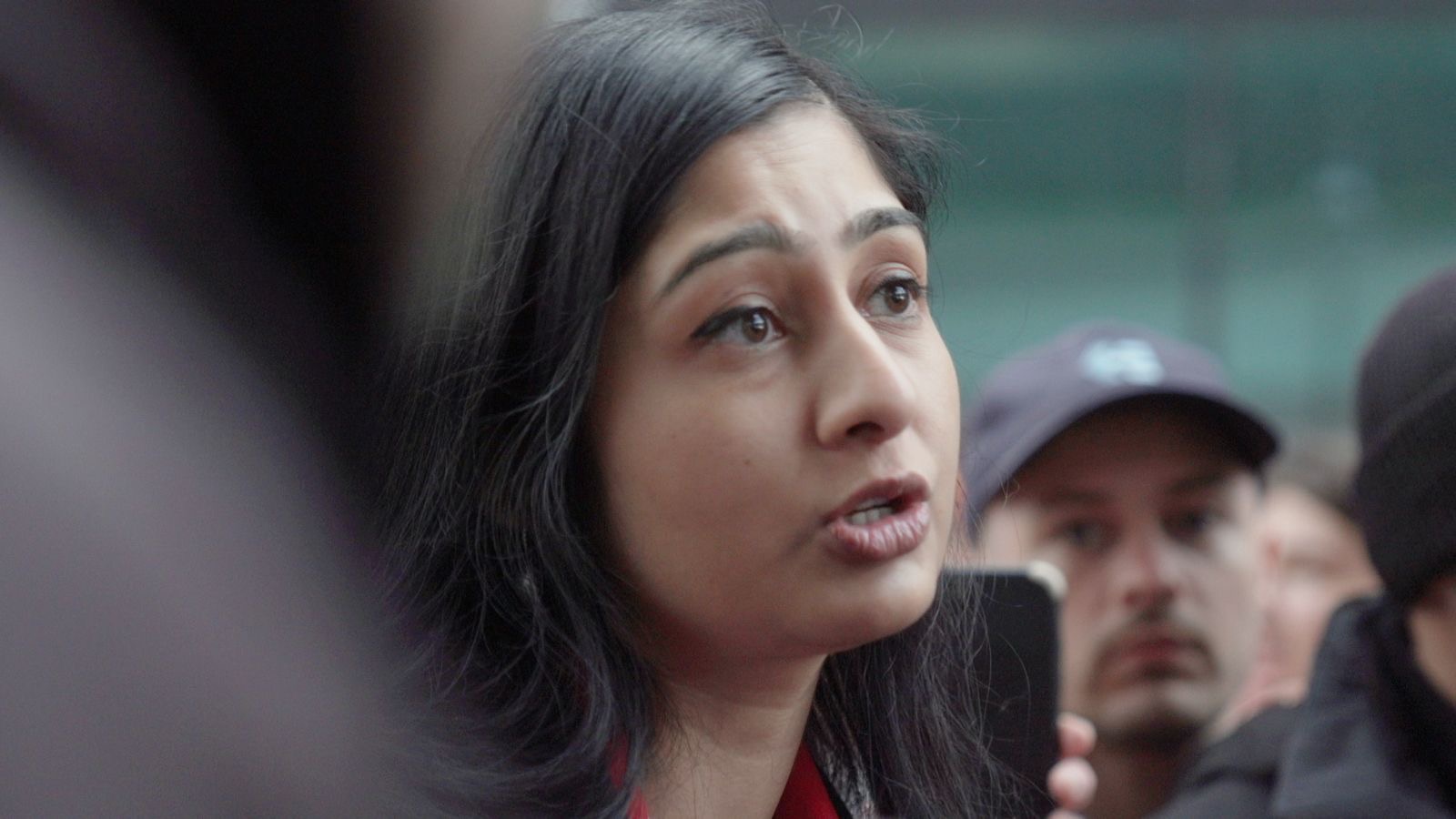
But those votes may also contain a vital corrective to its co-founders, Jeremy Corbyn and Zarah Sultana, whose rift, fuelled by petulant irrationality, still dominates and threatens permanently to deform the enterprise.
It’s vital they heed it. Otherwise, Your Party will look ever inwards as the electorate looks on with scorn.
A broad church.
At the heart of members’ vision of the party were three votes held at the November conference, defining its political statement. Your party is to be a mass, explicitly socialist party with the working class at its heart and encompassing the broadest possible social alliance.
That reference to the “broadest possible social alliance” contains a clear instruction to co-founder Zarah Sultana to walk back her claim that there’s no room for social conservatives in the party, period (she’s already begun to). That doesn’t mean that members abandoned the party’s core values: at conference, they committed to fighting for trans liberation, the very issue that sparked a public row between Sultana and Independent Alliance (IA) MP Adnan Hussain (Hussain later stepped back from Your Party after Novara Media asked him if he was still in it).
In more recent interviews, Sultana no longer characterises trans rights and social conservatism as an unsquarable circle. That’s wise: squaring it is a necessity if Your Party is to build a base that includes both Muslims and a diverse working class – some of whom may identify as socially conservative on a range of issues – alongside urban progressives.
Sultana is now more focused on identifying a common enemy. The ruling class, she told Middle East Eye, divides the most marginalised, including trans people and Muslims. “We have to build coalitions.” Could it be that this is a fight for freedom, rather than what goes on in people’s heads?
Expulsion repulsion.
What members want, members get. That was also the case at conference when they voted overwhelmingly for dual membership, prompting overwrought fantasies of imminent Trot takeovers among some outside the party. If that’s a real possibility, it’s one for now deferred, as it’s yet to be decided which other groups Your Party members will be allowed to belong to.
That and many other matters will be determined by the new collective leadership, the yet-to-be-elected Central Executive Committee, or CEC (it should be noted that the vote for collective leadership passed quite marginally, perhaps reflecting members’ understanding that it’s experimental, and is up for review in 21 months). The CEC’s decision on permitted groups will only be ratified or amended at next year’s conference, and even then, will be subject to constant review.
My impression is that members voted for dual membership partly as a protest against the expulsions that took place at conference, but also because they genuinely desire a broad left. Again, they’re rational. It’s a nimble, forward-looking socialist coalition they’re looking for; any groups seen as unduly disruptive aren’t likely to last long, I would hazard.
As a safeguard, members have installed policies that may sharply limit the opportunities for factions to disrupt or hijack the party. Crucially, members agreed that future party business will be decided by one member, one vote (OMOV), open to all members via online voting, rather than to branch delegates at conferences. This will make it infinitely harder for small groups to swing votes without first winning a wider argument among the broader membership.
On the other hand, OMOV can also favour the objectives of those with the greatest resources to communicate with the members, namely MPs and public figures. The risk of that is greatest when power accumulates around either one or a small number of leaders. But again, the members’ desire for collective leadership should offset some of that risk so long as the CEC is reasonably diverse.
Assembling the politburo.
How will CEC selection work? Until early next year, the steering committee – consisting of Corbyn and the two other IA MPs who remain attached to Your Party, Ayoub Khan and Shockat Adam – will prepare for the election of 20 people to the CEC. I understand they’ll be joined by a sortitioned (ie randomly selected) committee of ordinary members to provide democratic oversight and accountability until the CEC is in place.
Sultana – who says she was excluded from the IA, though they say she left – should certainly return. She’ll be buoyed by the backing of the members over her vocal support for collective leadership and dual membership, two headline constitutional matters. That’s the closest anyone’s come to a democratic mandate from the party members. But members will want Sultana to use that mandate to build bridges and prompt progress, something she’s yet to demonstrate she can do; and they’ll want the IA to do the same.
The 20 spots on the CEC, which should be filled by the end of February, include just four places reserved for public office holders – MPs, councillors, mayors and the like. The other 16 can be any members who are not also MPs. Three of them will become chair, deputy chair and party spokesperson, with another four taking other officer roles – all decided, I understand, among CEC members. Later, there will be four additional seats for organised sections within the party, and regional seats for Scotland and Wales.
Details of the CEC elections are still being worked out. As they organise elections, the IA (hopefully including Sultana) may set nomination thresholds. That’s where local, bloc and perhaps even small-party organising will come in – though a further decision by members to hold regional rather than national CEC elections may favour embedded community-based organisers.
Who will the nominees be? I’d expect well-known, dynamic figures with populist ideas and solid movement bases. I’d also expect to see slates: groups of candidates pooling resources to run on the same policy, ideological or constituency platforms, though they’ll also have to appeal to the broad membership who want the party to work for the greatest number.
Members will be especially moved by figures they think will make a good chair, deputy chair and spokesperson. Whoever occupies those positions may also become key media representatives – and potentially electoral candidates later. Members will want to see people with proven political ability amongst all the CEC nominees, but, in the absence of sole or co-leaders, especially amongst those most likely to occupy key positions.
Shut up and (don’t backseat) drive.
What about Your Party’s wider electoral strategy? Again, the members have acted rationally, given current resources and recent ruptures. They have opted for a highly focused approach in next May’s crucial local elections, supporting a small number of party candidates where they have a solid chance of winning, but also putting the party’s resources behind politically-aligned independent candidates in places where they don’t.
There is, I think, still room for optimism. But here’s my top worry: can the IA and Sultana work together, maintaining the party’s membership long enough to install a CEC? Past form doesn’t prompt hope, but the birth of the party could yet be a galvanising event for all involved.
In politics, the past is inescapably present. It seems to have been on members’ minds, too. Corbynism happened, galvanising millions and bringing a progressive and socialist leader close to power for the first time in decades. But it was also snarled by centralised party factionalism and undermined by cliquey and tone-deaf decision-making, most obviously over Brexit. Some votes can be read as correctives to those flaws.
Sultana’s public escalations and over-reliance on the support of more radical elements have also been noted. Members’ votes reflect dimming trust in central leadership and individual powerholders, as well as the tactics of the radical groups that could buoy her. They also show that they want leadership by consensus. Reckless solo action is one way to damage that; another is avoidance of conflict and delegation of responsibility to others. These two sides of the cofounders’ problematic coin are what will have to be overcome.
If the members have now done their best to shape the party, they’ve also done their best to guide its founders. Whether the founders will listen remains to be seen.
Doubtless, there will be wrangles to come. Please God, let them happen in good faith – and behind closed doors.
Steven Methven is the editor of Novara Live, Novara Media’s nightly news and politics YouTube show.