Trump Is No Master of the Art of the Deal
A presidency-defining failure.
by Steven Methven
13 April 2026
We’re all dependent on the oil trade. And we’ll all now feel the sting of failed peace talks between the US and Iran in Islamabad this weekend, dashing our hopes of a speedy U-turn away from a prolonged energy shock.
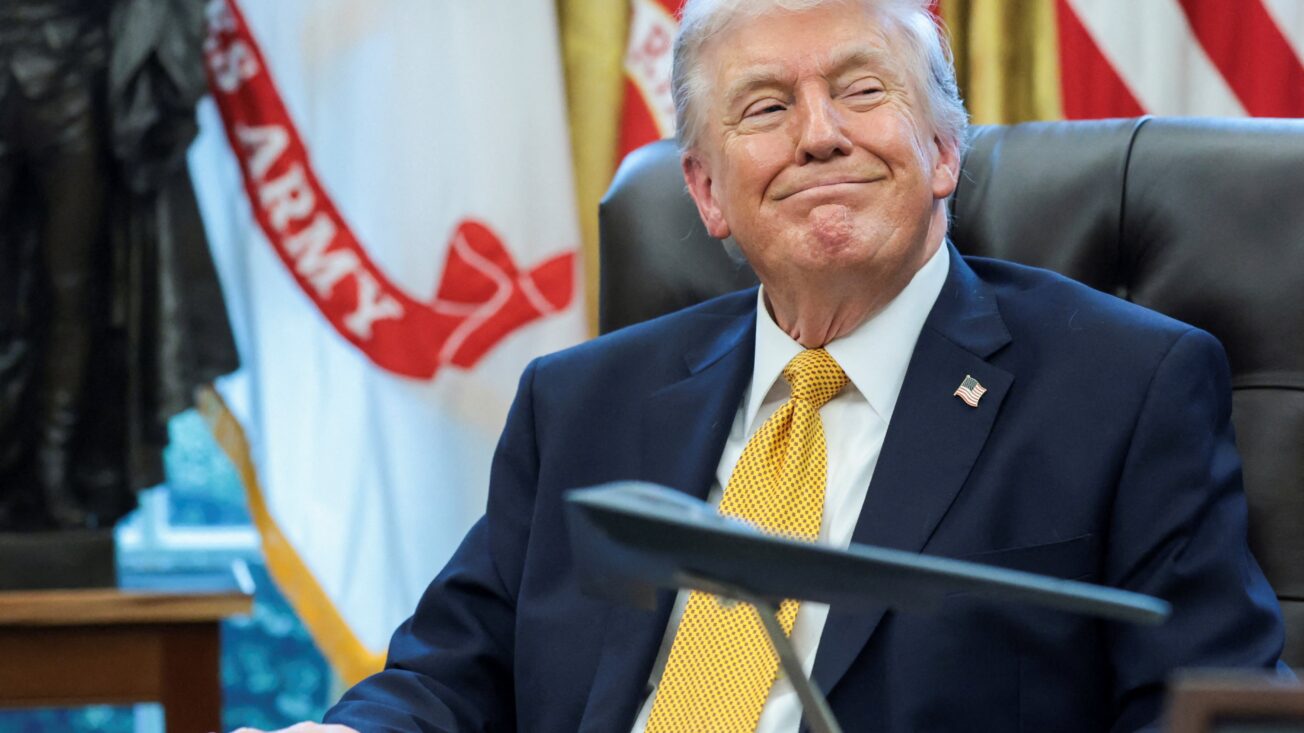
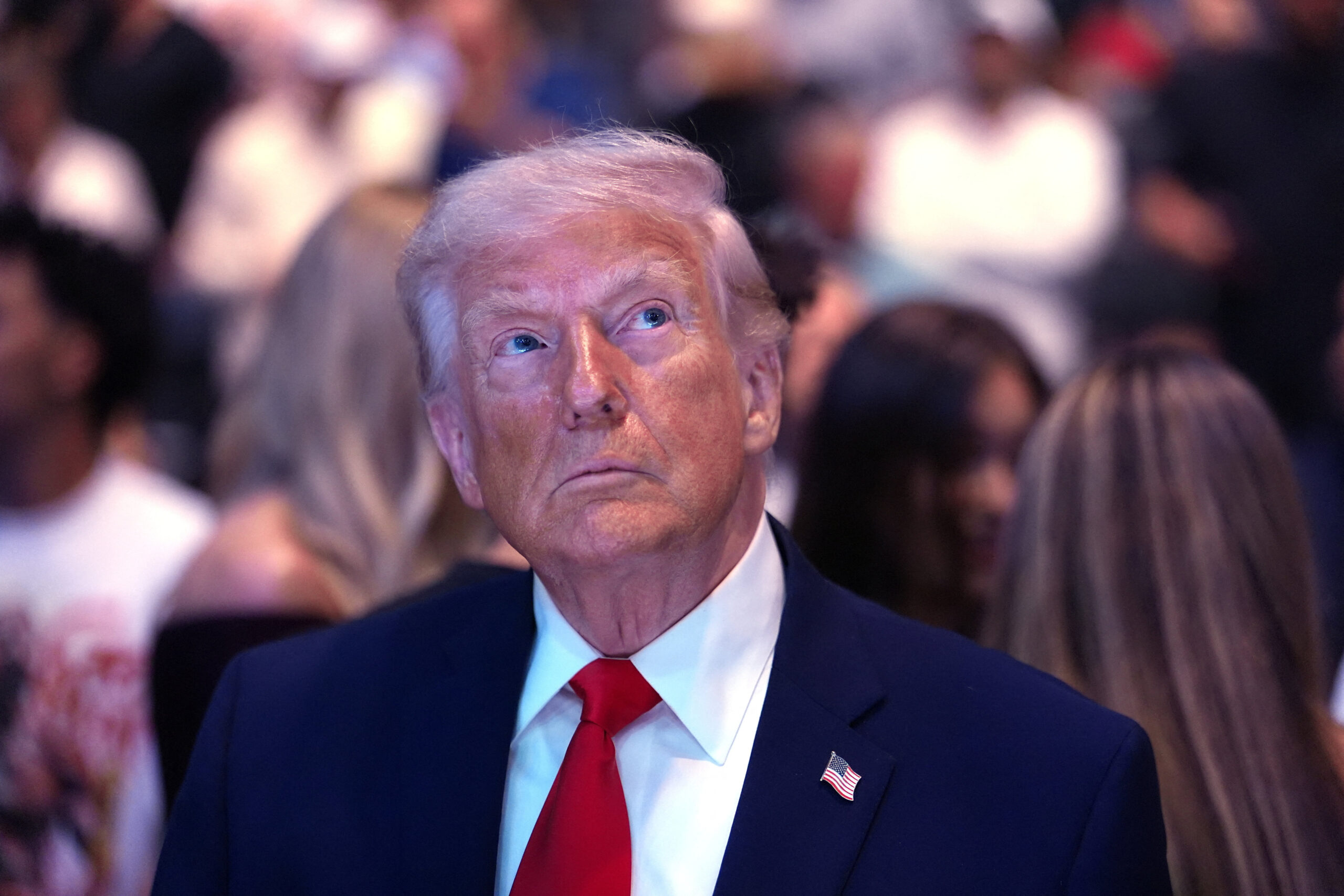
The responsibility for all the instability felt so far – and for all of it yet to come – lies with one man alone: the deal lord, the 5D chess grandmaster, the terms-inator himself: US president Donald Trump. Once again, he’s proved himself incapable of finding solutions to global problems, though highly capable of creating entirely new ones of his own. But his Iran adventure now tops a long list of Trump obsessions almost designed to lower the US even further in the eyes of the world.
This war will define his presidency. Hell, it’ll define his life and solidify his historical reputation. As what? The master of the art of the no deal.
In two long Truth Social screeds following the failure of the negotiating teams to agree a ceasefire deal in Islamabad, Donald Trump returned to the bluntest tool in his very blunt toolbox: threats.
“Effective immediately, the United States Navy, the Finest in the World,” he wrote on Sunday, “will begin the process of BLOCKADING any and all Ships trying to enter, or leave, the Strait of Hormuz.” Isn’t that, the entire world wondered, exactly what Iran’s doing already?
Yes, but when they do it, it’s wrong. “As they promised, they better begin the process of getting this INTERNATIONAL WATERWAY OPEN AND FAST!” he urged, before providing his legal assessment: “Every Law in the book is being violated by them.”
We know only too well that the selective application of international law is little more than a global protection racket operated by the powerful to wreck their enemies and bolster their friends. But surely it only works if you don’t shout it from the rooftops?
As it turns out, the US blockade of the Iranian blockade is due to come into force at 10am ET today. According to US Central Command, what’s in store is much more limited (and legal) than Trump initially promised, focusing on ships transiting Iranian ports. The US has, throughout its war, allowed Iranian oil to continue to be shipped in order to ease the global supply crisis it created. That appears to now be ending, ratcheting up the economic pressure on Tehran to comply with US demands.
It will also ratchet up the pressure on economies – including those of US allies – around the world. What’s been announced appears, on the face of it, to hold little prospect of easing Iran’s blockade any time soon. So the question becomes: will a new game of oil-supply chicken have much impact on a country already – according to the US anyway – on its knees?
After 21 hours of talks in Islamabad, Iranian foreign minister Abbas Araghchi described the two sides as “inches away” from a peace deal. That was scuppered, according to him, by “maximalism, shifting goalposts and blockade” from Washington. According to vice-president JD Vance, who led the US effort, the talks faltered over Iran’s unwillingness to give up its enriched uranium.
Iran has always denied seeking to produce nuclear weapons. And while it has 660kg of 60% enriched uranium, nuclear experts have repeatedly stressed that 90% is needed for a weapon. Last year, Trump claimed US bombing of Iran’s nuclear sites had “completely and totally obliterated” its capabilities. In February, the country offered to dilute its stock in exchange for sanctions relief.
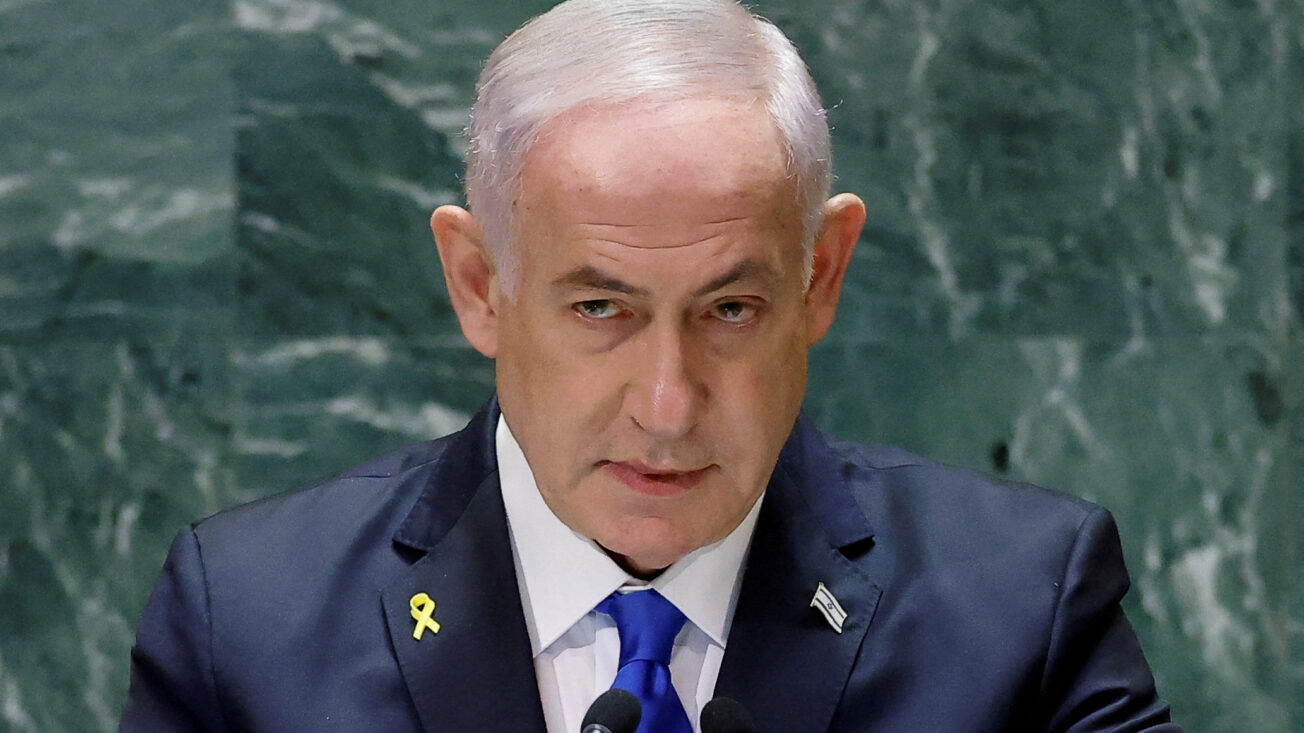
That same month, Israeli prime minister Benjamin Netanyahu demanded, however, that Iran give up that uranium, and that it be blocked from any further enrichment. That was just days after, according to a New York Times account, Netanyahu succeeded in persuading Trump into war on the basis of a regime-change plan described by the CIA’s head as “farcical”.
It’s for that reason that the nuclear demands remain a political red line for the administration. The worst outcome for Trump is the one where the US has spent $2bn per day (so around $80bn so far), lost 15 soldiers with hundreds more injured, unleashed an economic crash that could impoverish tens of millions – all only to agree terms that even remotely resemble those of the Obama-era deal ripped up by Trump in 2018. It’s no surprise that weeks of war will only have hardened the Iranian position.
And also strengthened it. Iran has never before blocked the Strait of Hormuz. But the country has now learned it’s both easy to do and highly effective, rebalancing economically an asymmetry in military power with the US. The question now is one of pressure: which side can endure the most, for longest.
Understanding that may not be as simple as the art of the deal. But it’s the art of the real.
Steven Methven is the editor of Novara Live, Novara Media’s nightly news and politics YouTube show.