Ignore the Hype. The Election Results Show Reform Is in Reverse
The surge isn’t happening.
by Sam Bright
11 May 2026
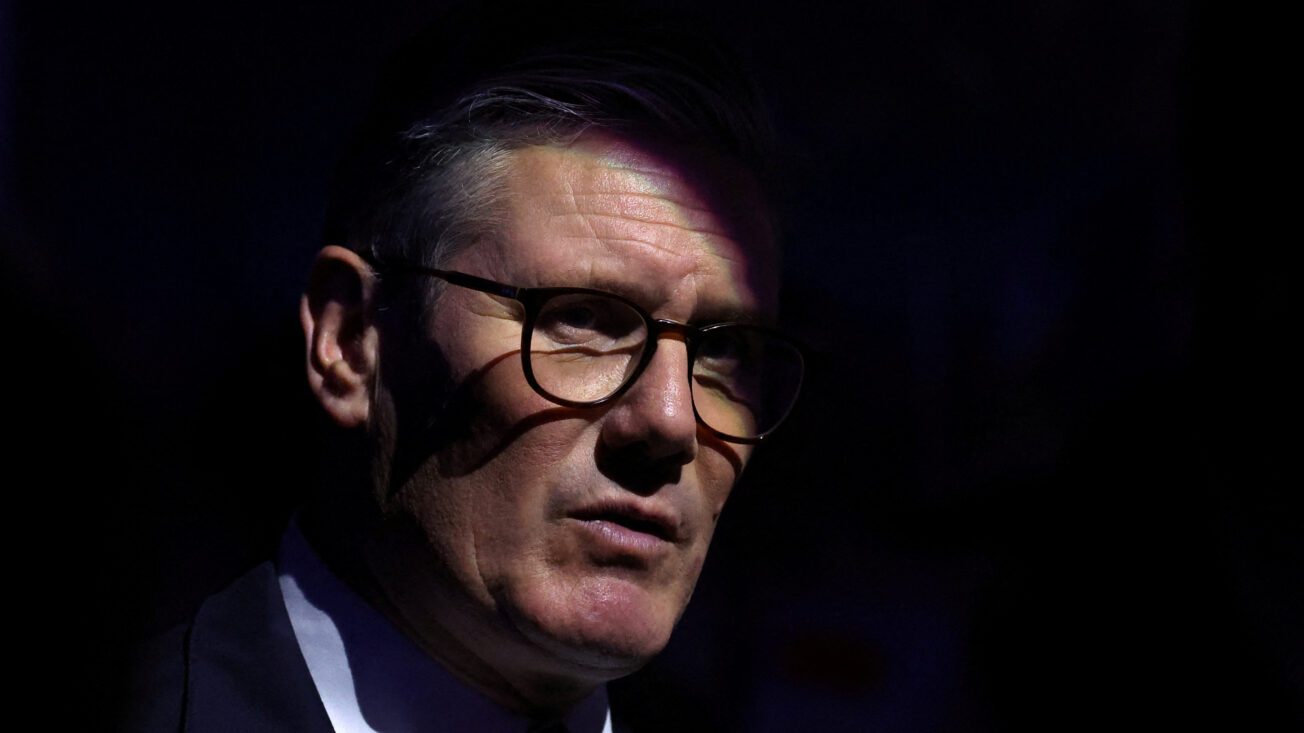
It has been two years since Labour released that election poster – the one with a stern Keir Starmer, white shirt and rolled-up sleeves, looking like a doctor delivering bad news. The leaflet featured one word, “change” – an idea that is now eating the Labour Party.
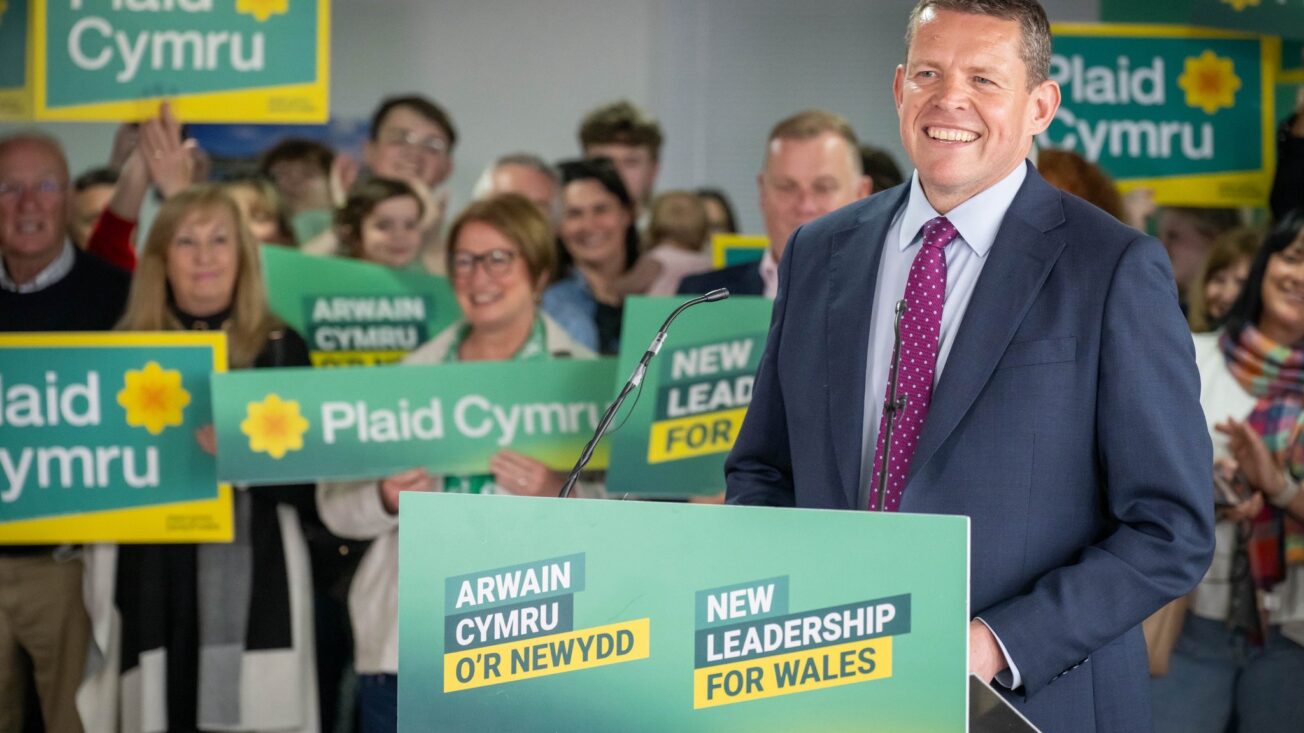
People don’t think that Labour has delivered change – or at least not quickly enough – and are now jumping ship. Despite what some Labour MPs believe, these voters aren’t all leaping rightwards. They’re also migrating to the Greens, Plaid Cymru, SNP, and Liberal Democrats, splintering British politics into a seven-way melee.
In England at least, Reform is benefitting most from this political realignment. However, the hype around its election victories has created a disorienting haze that’s distracting from the party’s recent regression.
The polls have shown for at least a year that Reform is in the political ascendancy across the UK as a whole, and we’re now seeing the extent to which this is materialising through cold, hard council seats.
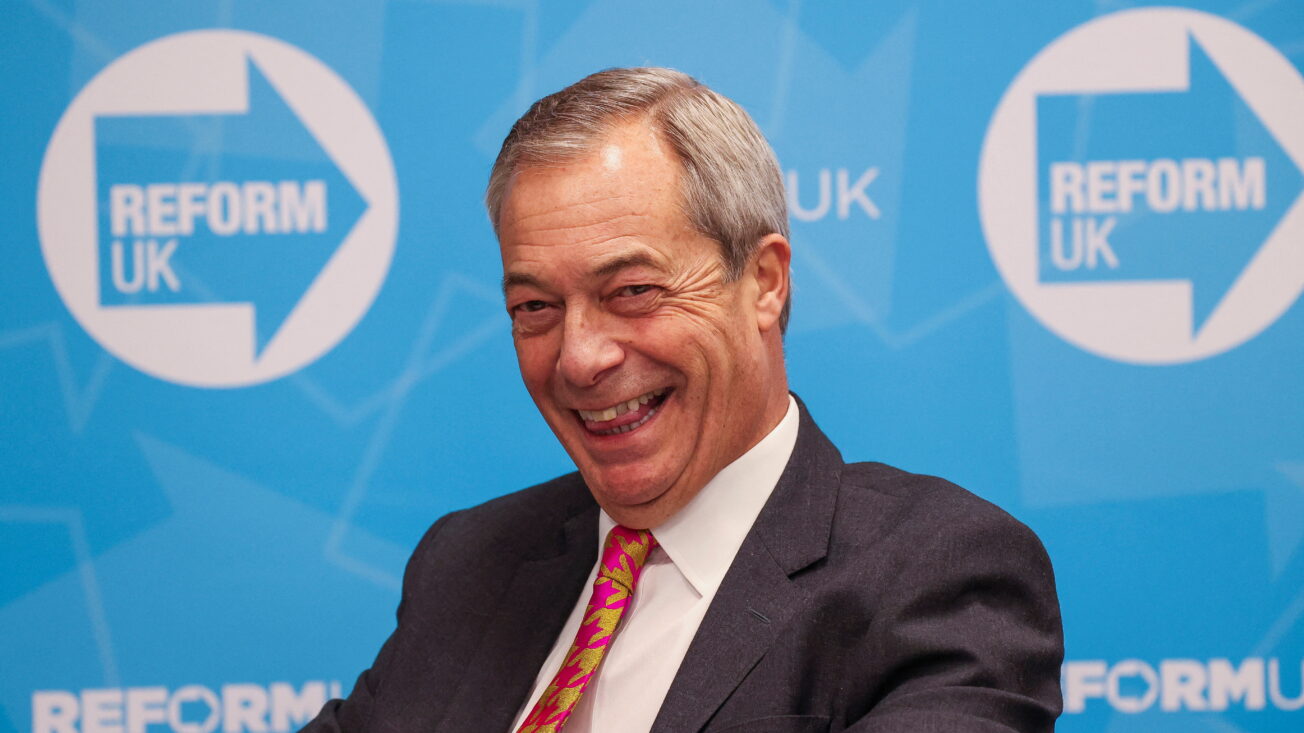
Parties don’t always bank their poll numbers at the ballot box. Nigel Farage’s previous political projects generated a lot of noise but scored few electoral victories. Even so, the bluster around Reform’s 2026 performance borders on the hyperbolic for a party that has been consistently leading in the polls for a year.
This salacious, stupefying media pageantry is masking the interesting and more meaningful underlying trends signalled by the results.
The most pertinent question at this point in the electoral cycle, given what we know about Reform’s polling, is whether the party will have enough support at the next UK general election to form a government.
Last year, the party polled at 30% in England-wide local elections. This is the cusp at which Farage could expect to win a majority in the House of Commons. Any less is coalition territory – throwing open the possibility of a Farage-Badenoch pact, or a Labour-Lib Dem-Green-SNP orgy of chaos.
Clearly, Reform would have been hoping to use last year as a springboard for this year’s contests – refining its platform, building momentum, and showing that the party will surge to a majority in 2029.
That hasn’t happened.
Reform has gone into reverse – dipping from 30% last year to 26% this. If this trend continued until the next general election, the party would land on 14%. Sadly that’s unlikely to be the case, but the prospect of a Reform majority is getting ever slimmer. Prior to last week’s elections, veteran pollster Peter Kellner said that winning 1,400 England council seats would be a “disaster” for Reform. The party clocked 1,453.
Reform is in a fragile, uncertain position. Polling suggests that 9% of Reform’s support is “wobbly” – largely consisting of people who don’t like the party’s decision to absorb a raft of failed former Tory ministers. Meanwhile, Farage’s finances are coming under growing scrutiny, his history of love-bombing Donald Trump is making voters queasy, and he’s facing a challenge from his far-right flank in the form of Rupert Lowe’s Restore Britain.
Stir all this together and the trend is clear: Reform is slipping in the polls. Farage’s approval ratings stand at minus 38 – even worse than the chronically-loathed Kemi Badenoch – and have declined consistently since the middle of last year.
Figures from More in Common in March also showed that more people than ever are selecting Reform as the party they would actively vote against. The polling found that 38% of people would vote against Reform (up nine percentage points from November), more than any other party.
That’s playing out in marginal contests – like Caerphilly in October, and Gorton and Denton in February – where voters herded towards the party best placed to keep Reform out of office.
So, when polls place Reform in a head-to-head contest with the Greens, the Tories or Labour, Farage’s candidate always loses. Ominously for Nigel, tactical voting will be much more prevalent at the next general election – when the future of the whole country will be on the ballot – than during last week’s contests, certainly in England.
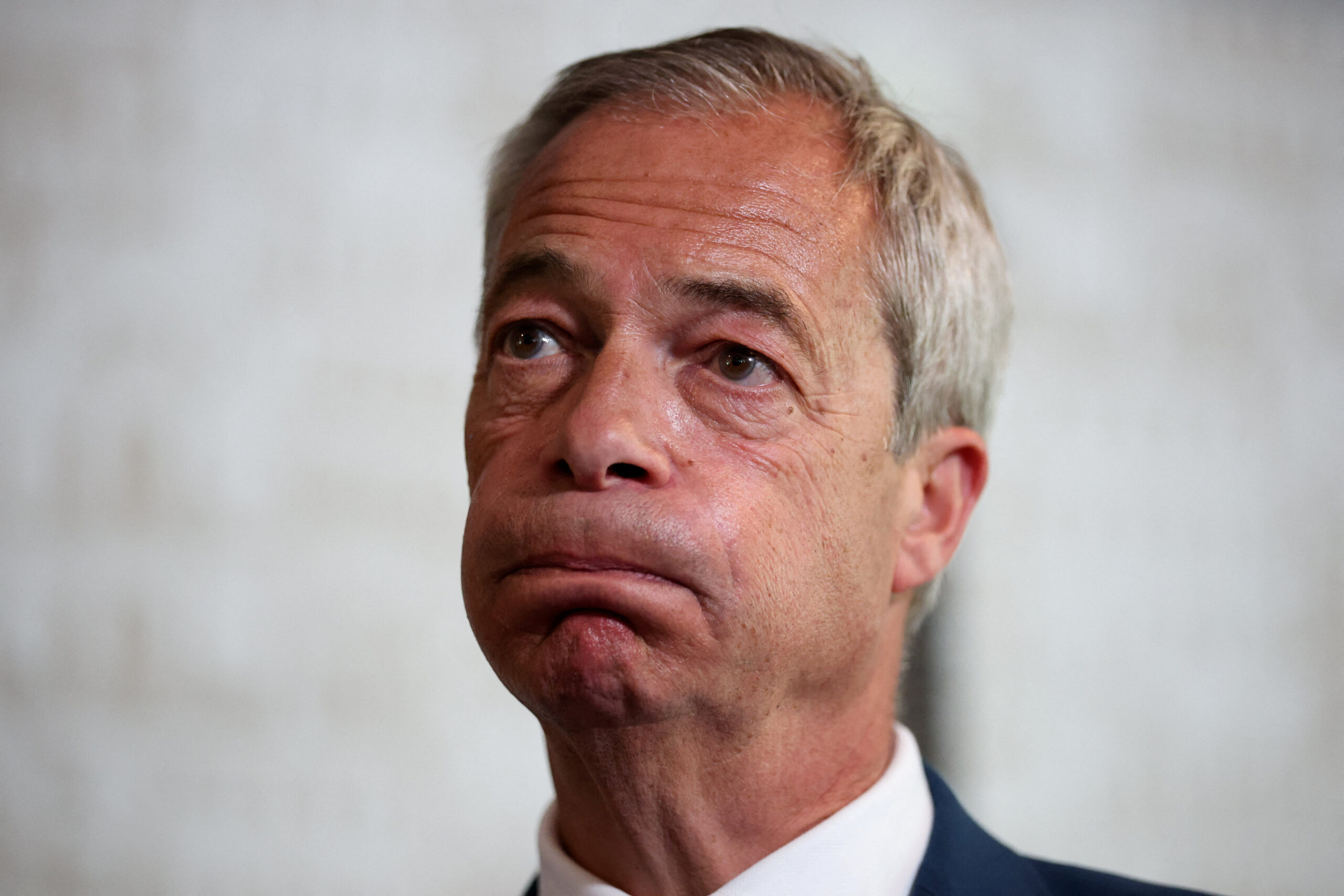
Farage is the biggest contributor to Reform’s current position – the leader and “CEO” of the party, seemingly inseparable from his creation. The media circus commanded by Farage – his ability to capture public attention – is the reason for Reform’s success.
However, for decades, he’s been a lone wolf scrapping on the margins of politics. He’s been a battering ram for cruel, intolerant, anti-immigrant ideas, often in spite of the electoral consequences.
Judging by his current leadership of Reform – the dodgy donations, the racist candidates, and the punitive populism – Farage is incapable of breaking this mould. He’s instinctively divisive – preferring to build loyalty among an engaged, enraged sub-section of voters rather than unify a coalition capable of winning a majority.
There’s no public stampede for Reform and its ugly brand of politics – even if Farage and the social media cesspit formerly known as Twitter may say otherwise.
Currently, he’s winning by default – due to a lack of viable political alternatives. If that changes, Farage’s status as a presumptive prime minister will dissipate, and we may eventually remember 7 May 2026 as the moment when Reform began to lose its grip on the British electorate.
Sam Bright is DeSmog’s UK deputy editor, and the author of Fortress London: Why We Need to Save the Country from Its Capital.