Police Force With ‘Anti-White Bias’ Five Times More Likely to Stop Black People
Data contradicts 'two-tier policing' claims after Henry Nowak murder.
by Tom Midlane
8 June 2026
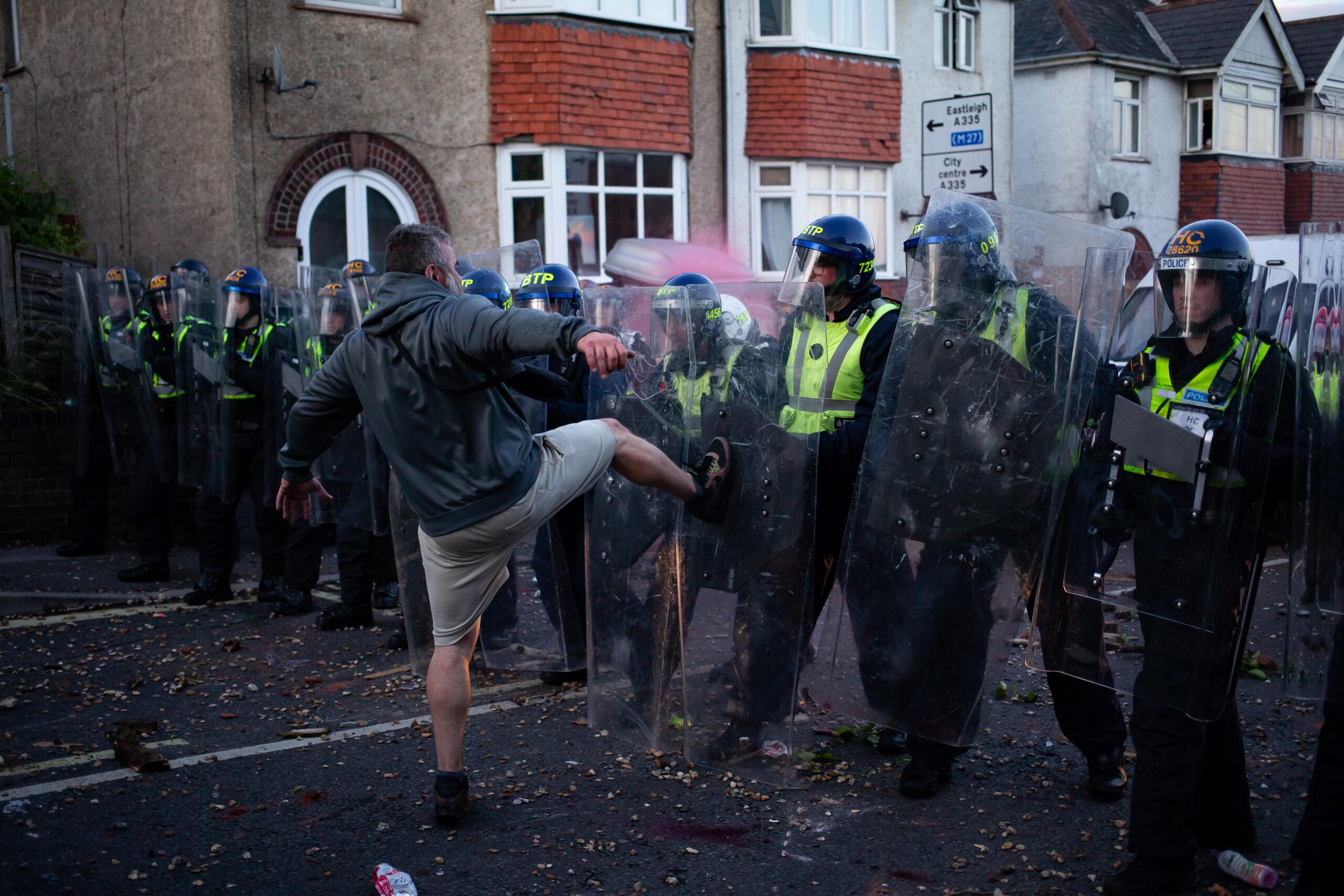
A police force accused of ‘anti-white bias’ over its handling of the murder of Henry Nowak is actually five times more likely to stop and search black people.
Hampshire Police officers dismissed Nowak, 18, when he told them he had been stabbed last year and instead handcuffed him as he lay dying.
The incident has fuelled far-right claims of institutional bias against white people, but analysis by the Guardian shows the force is more likely to be biased against non-white people.
Nowak was killed by Vickrum Digwa, 23, in December while on his way back to his student accommodation in Southampton.
Digwa – a Sikh – falsely claimed Nowak had racially abused him and knocked his turban off, leading officers to handcuff the injured teen instead of the perpetrator.
Last week, Digwa was found guilty of murder and handed a life sentence with a minimum 21-year term.
Despite the conviction, far-right figures like Nigel Farage and Tommy Robinson have capitalised on the attack, accusing Hampshire Police of ‘anti-white bias’ and ‘two-tier justice’.
Elon Musk tweeted that police policy required officers to be “racist against whites”. US vice president JD Vance blamed the murder on the “mass invasion of migrants” in a post on X.
But figures show Hampshire Police stop and search black people at above the average rate. Across England and Wales, police are 3.8 times more likely to stop a black person than a white person.
Many of the Sikh community in Southampton say they are fearful of leaving the house after facing racist abuse in the wake of Nowak’s murder. Residents are avoiding worshipping at their gurdwaras and stopping elderly relatives from leaving home, the Times reported.
Stephen Parkinson, the director of the Crown Prosecution Service, said on Thursday that research into prosecution decisions provided evidence for “disproportionality” in the criminal justice system against non-white ethnic groups.
“There’s a greater likelihood of being prosecuted if you come from an ethnic group that is not white British,” he said. “Recent publicity has been along the lines of ‘Are people from ethnic minorities favoured in some way?’ The evidence that I’m aware of around disproportionality goes the other way.”
Tom Midlane is a freelance journalist.