The Left Voted Tactically in Makerfield – and the Right Should Take Note
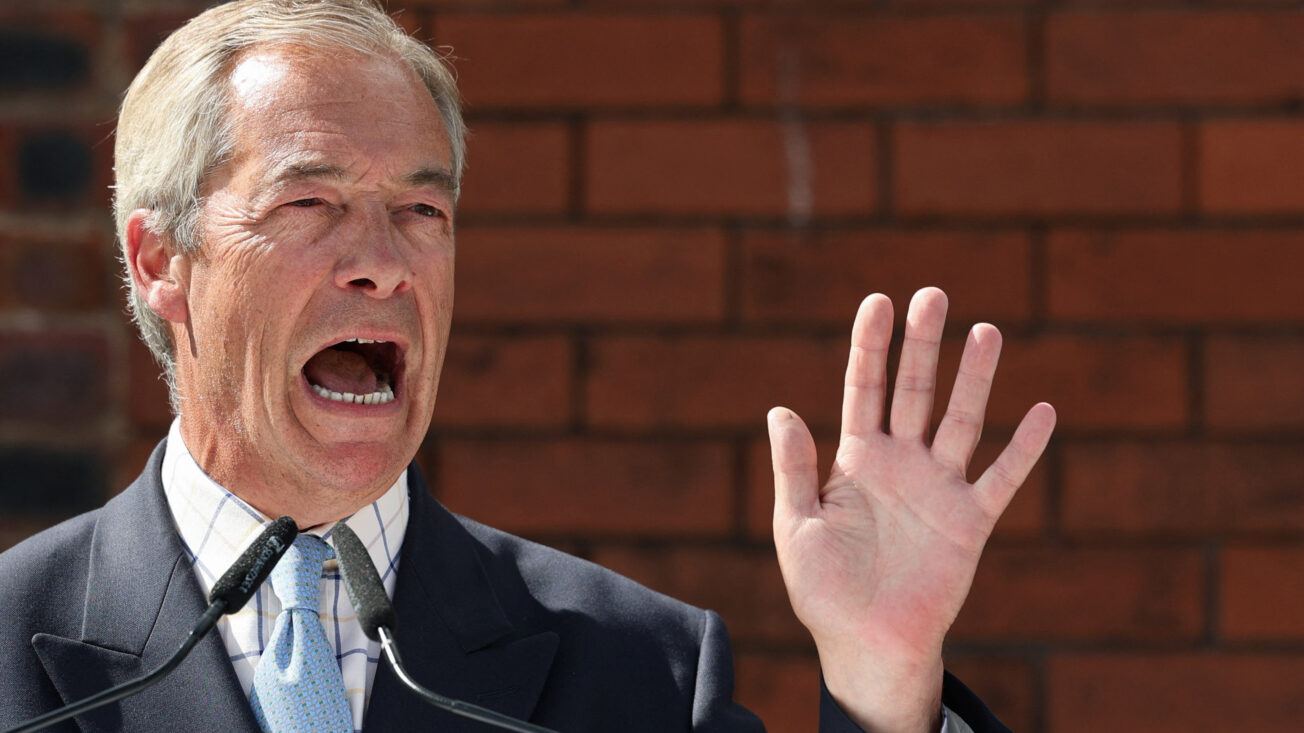
Bad news, Nigel.
by Aaron Bastani
19 June 2026
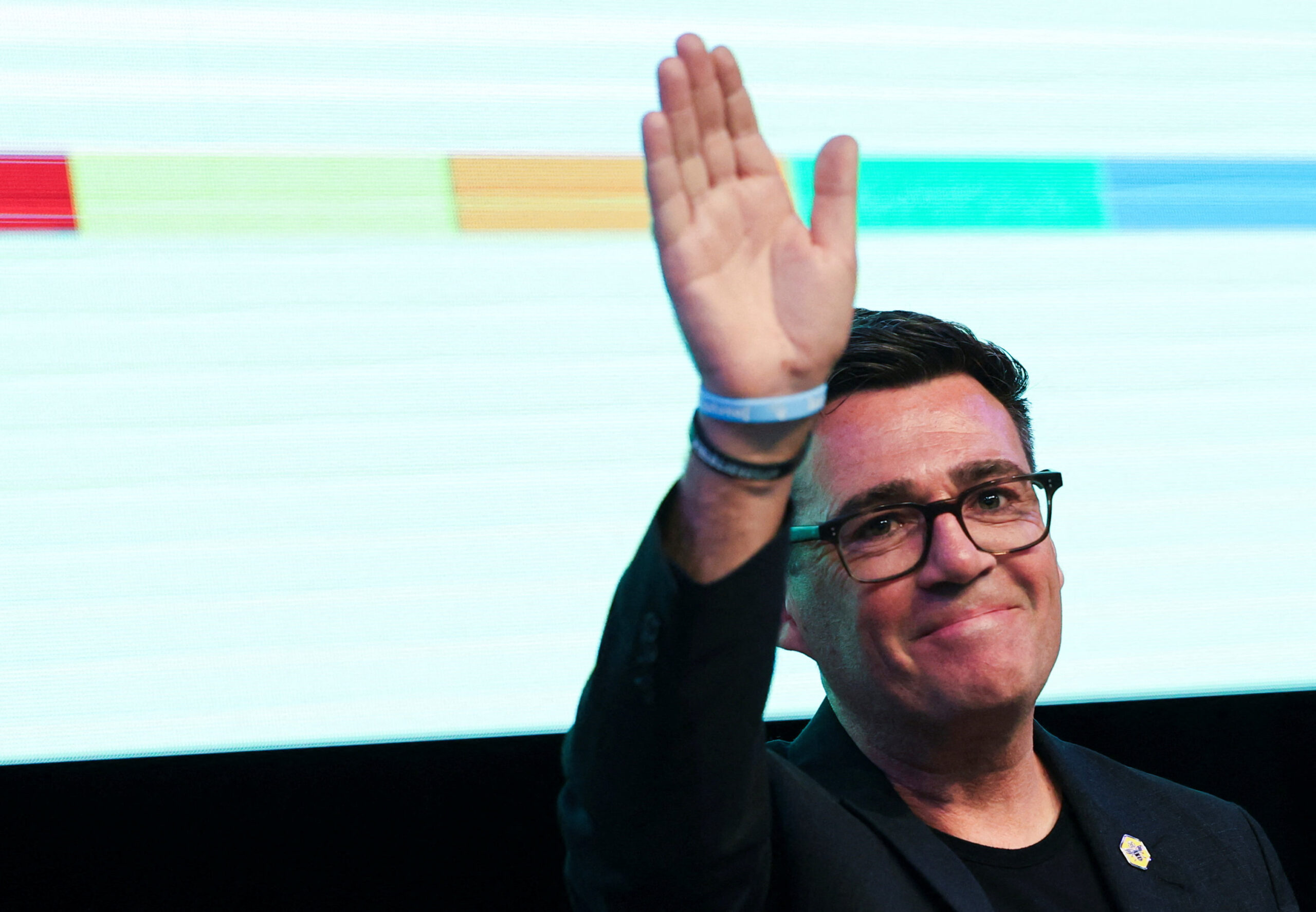
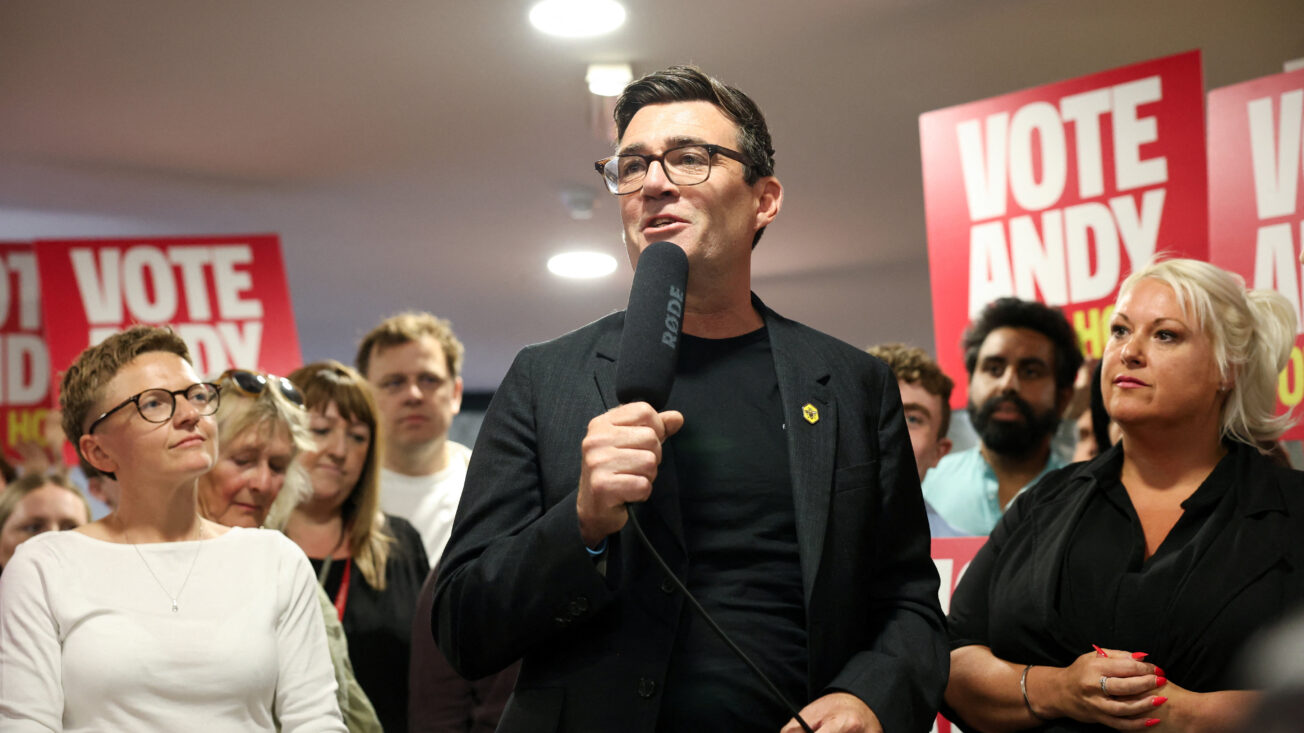
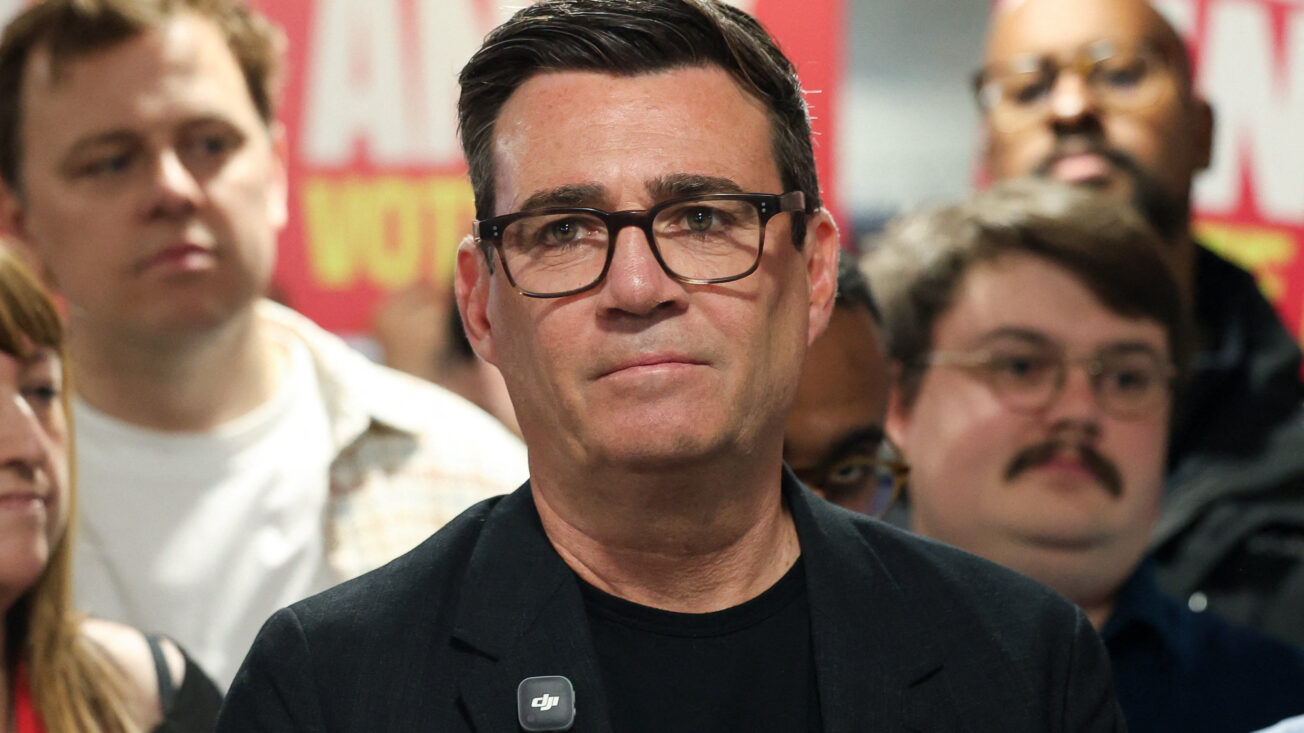
Nobody expected the scale of Andy Burnham’s victory in the Makerfield byelection this morning – including many of those around him.
A week ago I was told that canvassing returns were looking strong for Labour in the Greater Manchester seat, giving the party as much as 50% of the vote. While I was certain Burnham could win – particularly after speaking to voters here – I still found that figure hard to believe.
In the end Burnham won 55% of the vote, beating Reform UK’s Robert Kenyon by more than 9,000 votes.
On the BBC shortly after the result, Mike Tapp, a prominent figure on the Labour right, was trying to play down the result, saying Burnham would have to call a general election in the event of becoming prime minister and deviating from Keir Starmer’s agenda.
The Tories’ James Cleverly, meanwhile, mused whether Burnham as PM wouldn’t further alienate potential Labour voters in the south.
Both men looked ridiculous, and were clearly trotting out arguments for a result that hadn’t happened. This a huge personal mandate for Burnham, not only to represent this seat in the north-west, but to lead his party.
What explains Burnham’s huge margin of victory?
As one Green activist told me before the polls closed, “everyone has an Andy story”. In modern campaigning, media management, data analytics and content production all matter – but none of that packs the punch of 25 years of casework and chinwagging. Brand Burnham, in this part of the world, is distinctly hands-on.
What happens next will perhaps be even more shambolic than what we’ve witnessed over the last month. Starmer never wanted Burnham to stand in Makerfield, the PM understanding that a victory for the Manchester mayor would be a launchpad to remove him.
But this time, unlike with the Gorton and Denton byelection, the party’s national executive committee (NEC), and none of the major affiliated trade unions, agreed. With Burnham now on the Labour benches, we have a surreal situation where everybody knows the PM is toast – but the process by which he goes is completely ad hoc.
In May’s local elections here, Reform won every ward, accruing more than twice as many votes as Labour. To win by the margin Burnham did this morning is a huge triumph. And all in just six weeks.
While one can highlight Burnham’s affable persona and local record as reasons for his win, it’s hard not to also point the finger at Reform. The party ran a poor campaign and selected a dreadful candidate, again. And while Restore’s vote wasn’t the difference – Rupert Lowe’s rightwing start-up came third and kept its deposit – it meant Reform had to fight over a tiny fraction of the electorate on the right rather than face the vast mass of undecideds.
Perhaps Burnham was always going to win Makerfield, but it should have been much, much closer. Anecdotally, I was told Kenyon’s canvassing returns ebbed down after his tragi-comic appearance on Question Time. Suddenly, Labour activists had an easy line for floating voters: just go on BBC iPlayer and judge Kenyon for yourself.
Next up is the Manchester mayoral election. Having come third, Restore will no doubt run a candidate again, creating the same problems once more for Reform. By scrapping for 10% of the electorate, Farage’s troops risk ignoring the silent majority.
There were two other stories from last night. First, the Tories lost their deposit for a second successive byelection in England. Although the party did win a surprise contest in Aberdeen (which also took place yesterday) mostly because of local energy politics, it looks like a spent force in almost all of the country.
Second, it’s clear that right now, progressives are much more willing to vote tactically than those on the right. We saw this in Caerphilly and in Gorton and Denton, to the advantage of Plaid Cymru and the Greens respectively, and we just witnessed it again in Makerfield.
On X, Reform voters mocked the Greens’ performance last night, but the fact the left bloc is continually doing this, to advantage multiple different parties, should concern them. After all, that pattern in a general election – more than anything else – would stop Nigel Farage getting the keys to Number 10.
Aaron Bastani is a Novara Media contributing editor and co-founder.