Caribbean Officials to Raise Slavery Reparations Demands With King Charles
‘A time of reckoning.’
by Clare Hymer
4 September 2026
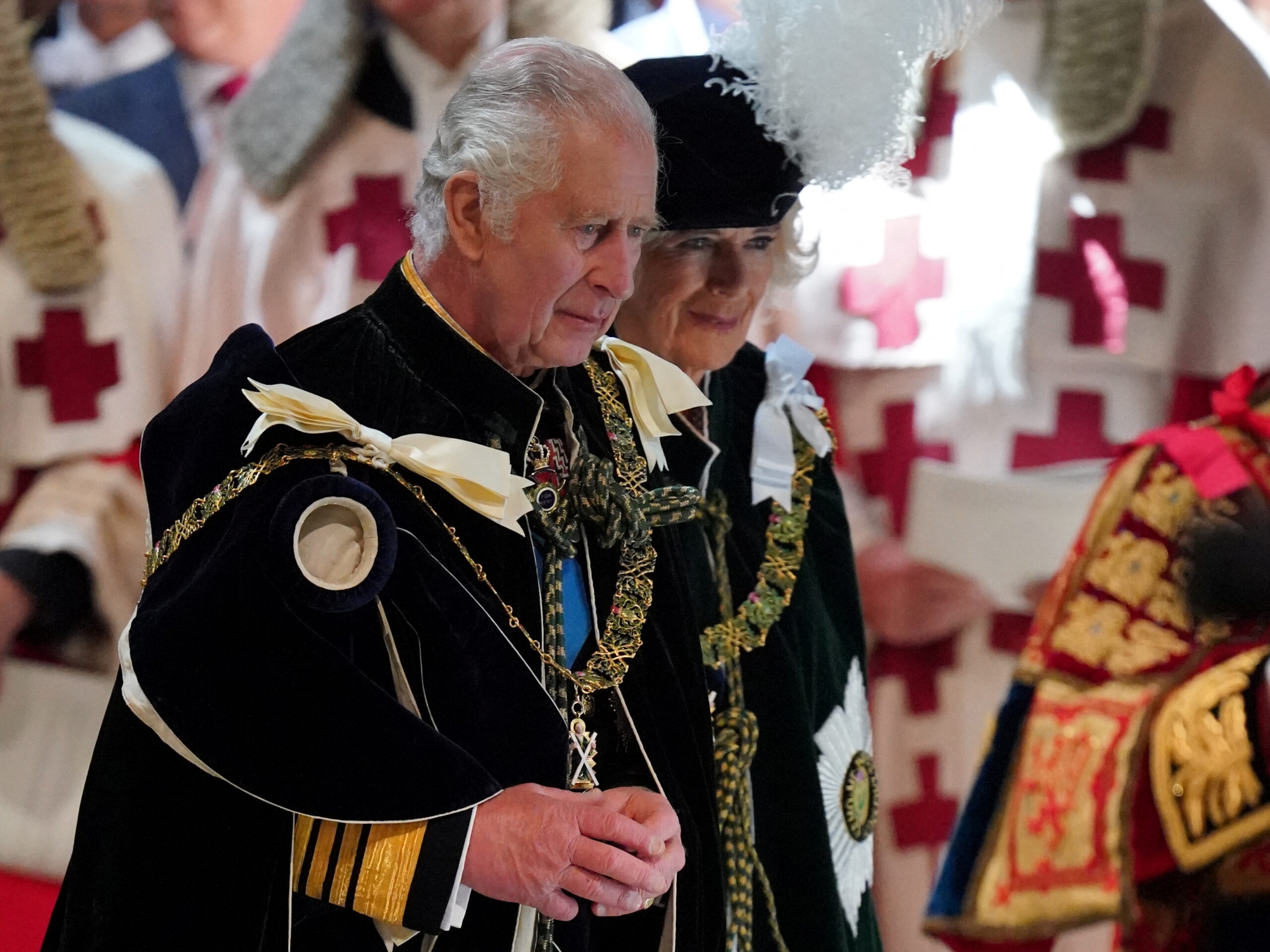
Caribbean envoys are preparing to raise demands for slavery reparations with King Charles, bringing Britain’s colonial legacy back under scrutiny.
According to the Telegraph, representatives from Jamaica and other Caribbean countries will ask the King to seek legal advice from the Privy Council, a body that advises the monarch on affairs of state, on whether slavery was illegal under English law at the time.
The delegation, led by Jamaican culture minister Olivia Grange, hopes that this legal opinion could make Britain responsible for paying reparations.
The request is being made to the King “in his capacity as head of state of Jamaica and from whom we expect protection”, Grange said in June.
Bert Samuels – a high-profile Jamaican lawyer – is one of those behind the petition. He told the Telegraph it was a “time of reckoning” on the slave trade.
Samuels said: “The questions on which the monarch is being invited to seek an opinion from his Privy Council represent a defining moment for the victims of centuries of slavery during British rule in Jamaica.”
Britain gained massive economic wealth and industrial growth from slavery. Meanwhile, the populations and economies of Caribbean islands were left devastated, with the impacts still being felt to this day.
A landmark UN resolution in March recognised the transatlantic slave trade as the “gravest crime against humanity”, urging UN member states to contribute to a reparations fund. The UK abstained on the resolution.
The UK has also repeatedly rejected calls for direct financial compensation, saying modern institutions should not be held responsible for historical wrongs.
In 1834, the British government’s act to abolish slavery in the Caribbean and elsewhere included compensation for slave owners, rather than those previously enslaved, to the equivalent of more than £16bn in today’s money.
Clare Hymer is head of articles at Novara Media.