Iran Has Shattered the Emirates’ Carefully Curated Image
An influencer paradise no more.
by Ash Sarkar
13 March 2026
In just a few weeks, the bedrock principles underpinning the west’s foreign policy have been torn up. Missile defence in South Korea? No longer need it, mate. Russian oil, subject to harsh sanctions following Putin’s invasion of Ukraine? Can I just shock you – I like Urals.
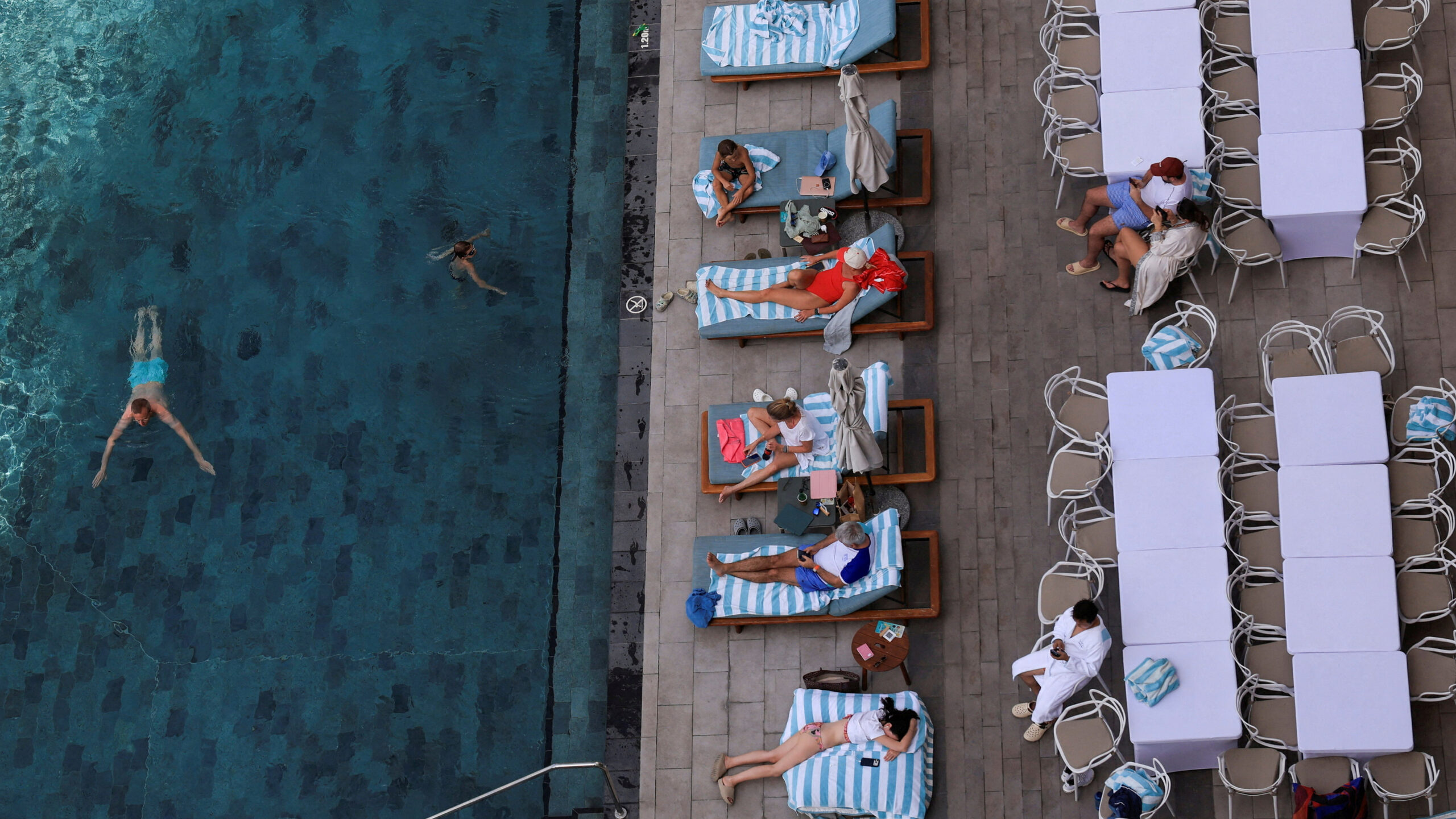
But perhaps nowhere has core beliefs regarding status and security been rocked more than the ‘expat’ enclaves of the United Arab Emirates (UAE). The land of sun, sea and slave labour may have seen its influencer-playground reputation shattered for good.
Approximately a quarter of a million Brits live in the UAE – having made, as Robert Graves might have said, a “bitter leave-taking of England” in pursuit of 0% tax and a luxury lifestyle. Though many of us still eking out a living in the managed-decline of the mother country might scoff and sneer at their naivety, it’s worth remembering that turning Dubai into an influencer paradise was a deliberate strategy on the part of the UAE government.
Though the discovery of oil in the 1960s put the UAE on the map, its rulers were anxious about what would happen when the black-gold under the desert sands ran out. “My grandfather rode a camel,” Sheikh Rashid Bin Saeed Al Maktoum was fond of saying. “[My] father rode a camel, I drive a Mercedes, my son drives a Land Rover, his son will drive a Land Rover, but his son will ride a camel.”
Without diversifying their economy – or projecting soft power into the west – it wouldn’t be long before the UAE became an arid backwater once more.
It started with aviation. Emirates and Etihad helped turn Dubai and Abu Dhabi into critical hotspots for international travel; then in the 1990s and early-2000s, the construction of the mega-tasteful Palm Jumeirah (artificial islands on the Persian Gulf, in the shape of a palm tree) and the priapic Burj Khalifa marked the Emiratis’ intention for Dubai to become a tourist destination in its own right.
Brexit, for the Sheikhs, was a chance to attract high net-worth individuals from the UK, for whom the EU had suddenly become a perilously tax-heavy environment.
With the rise of social media came a huge opportunity. They coaxed content creators to decamp to Dubai, dangling a ten-year renewable ‘Golden Visa’ and launching a government campaign called Creators HQ. Glossy influencers with gleaming teeth evangelised to their followers about Dubai’s clean streets, high living standards, and surprising (if highly contained) liberalism where westerners were concerned.
The benefits to the Emiratis were twofold. A softened image of Dubai, absent of slave labour and capital punishment, was beamed directly into the west thanks to TikTok. And, in the event of a Big Ol’ War, the Atlantic powers couldn’t just abandon the UAE – after all, it was host to hundreds of thousands of their citizens.
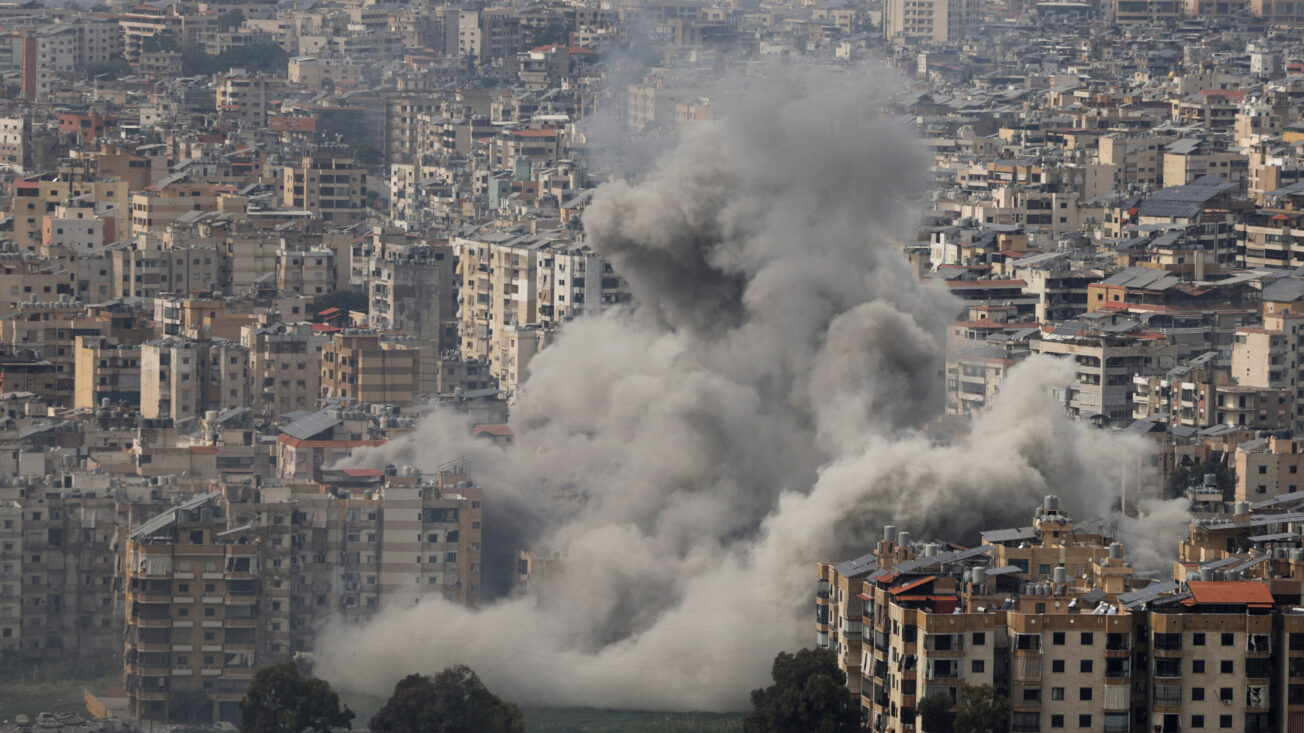
Alas, who could have accounted for Donald Trump, and Benjamin Netanyahu’s uncanny ability to bounce him into Israeli conflicts? After Israel and the US decided to abandon negotiation in favour of dropping bombs on Tehran, Iranian retaliation hit the Gulf states (due to their hosting of American military bases).
As well as transport hubs like Zayed International Airport and Jebel Ali Port, Iran apparently consulted TripAdvisor and plugged the coordinates of Dubai’s luxury hotels into its Shaheds. The chaos was captured, of course, on front-cam: Will Bailey, a DJ, filmed the Fairmont The Palm hotel going up in flames from his set at a Dubai beach club.
Perhaps unsurprisingly, the US-Israeli war with Iran has done little to boost property prices in a city perched on the edge of the Persian Gulf. Dubai’s real estate market has seen nearly 20% wiped off its value, with little sign of a rally coming soon.
Though Nepali and Bangladeshi migrant workers might have been able to tell us a thing or two about the UAE’s regard for uninhibited mobility, westerners were left scrambling for an escape after the Emiratis shut down their airspace. Investor confidence has been shaken. And influencers – accustomed to being able to post and stream as they please – have found themselves subject to an authoritarian crackdown on sharing images of the war.
This week, a British man in his 60s was charged under cybercrime laws after allegedly filming Iranian airstrikes. Twenty-one people have been charged with similar offences, as the UAE enforces a law that prohibits “publishing or sharing material that could disturb public security”. The same phone cameras that projected Emirati soft power now risk undermining – perhaps fatally – the UAE’s carefully curated image as a luxurious, hospitable and safe playground for westerners.
Ash Sarkar is a contributing editor at Novara Media.