The Middle East is still on fire, as US president Donald Trump appears increasingly desperate to bring the carnage to an end amid a growing oil shock. On Saturday, in a message better suited to the group chat, the commander in chief made a public plea to allies, including Britain (but also long-term opp China), to send help to the Strait of Hormuz. After all, what are friends (and frenemies) for, if not putting their own soldiers at risk to clean up your illegal mess?
Trump’s post is well-worth reading, blending as it does pitiful bluster with fatally-wounded pride. The US has destroyed “100% of Iran’s military capability”, we’re told, but in the very same sentence, that it’s still “easy for them to send a drone or two, drop a mine, or deliver a close range missile”.
Later, Iran is described as both “totally decapitated” yet successfully leveraging Hormuz as a “threat”. The hubris is strong with this one.
Roughly 100 miles long and just 24 miles wide at its narrowest point, every tanker picking up the Gulf states’ black gold must pass through the Strait of Hormuz to reach the wider ocean and, from there, the world. In normal times, around 20 million barrels of oil pass through the chokepoint each day – around 20% of the globe’s total supply. Most of it is destined for Asian markets, with China, South Korea, Japan and India the major buyers.
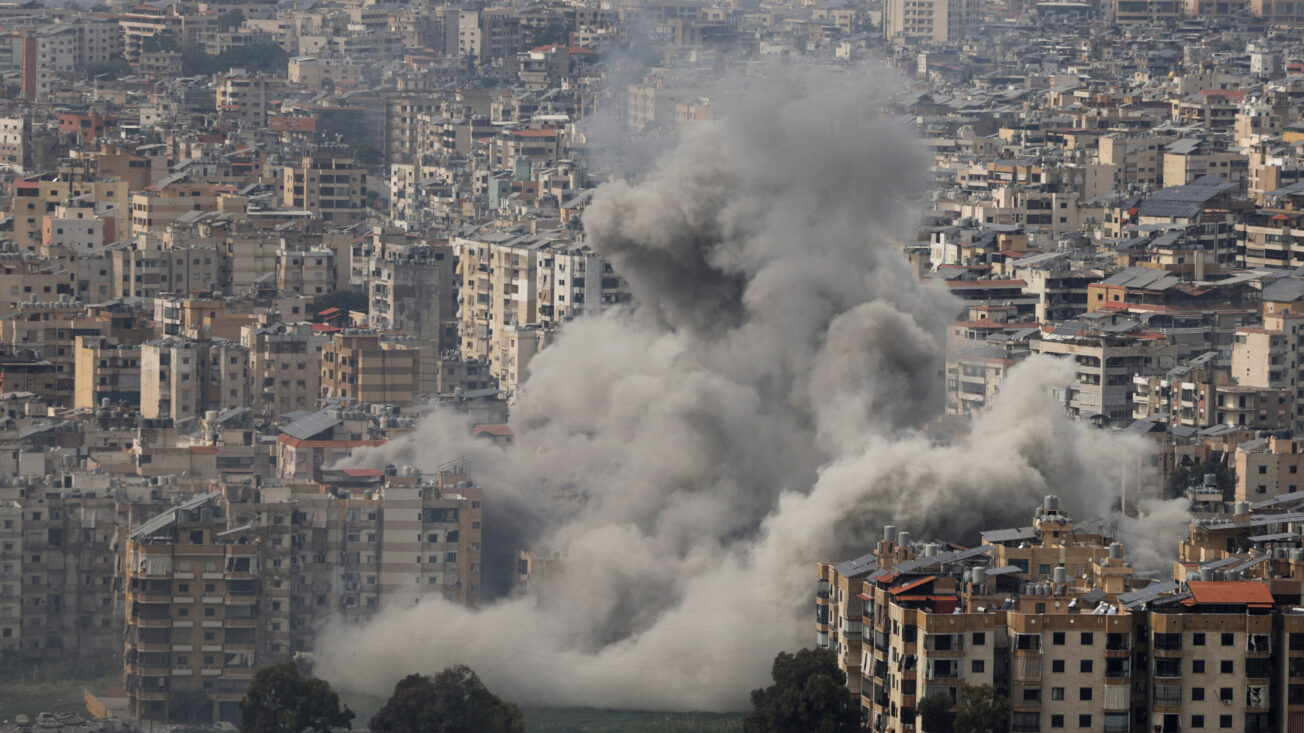
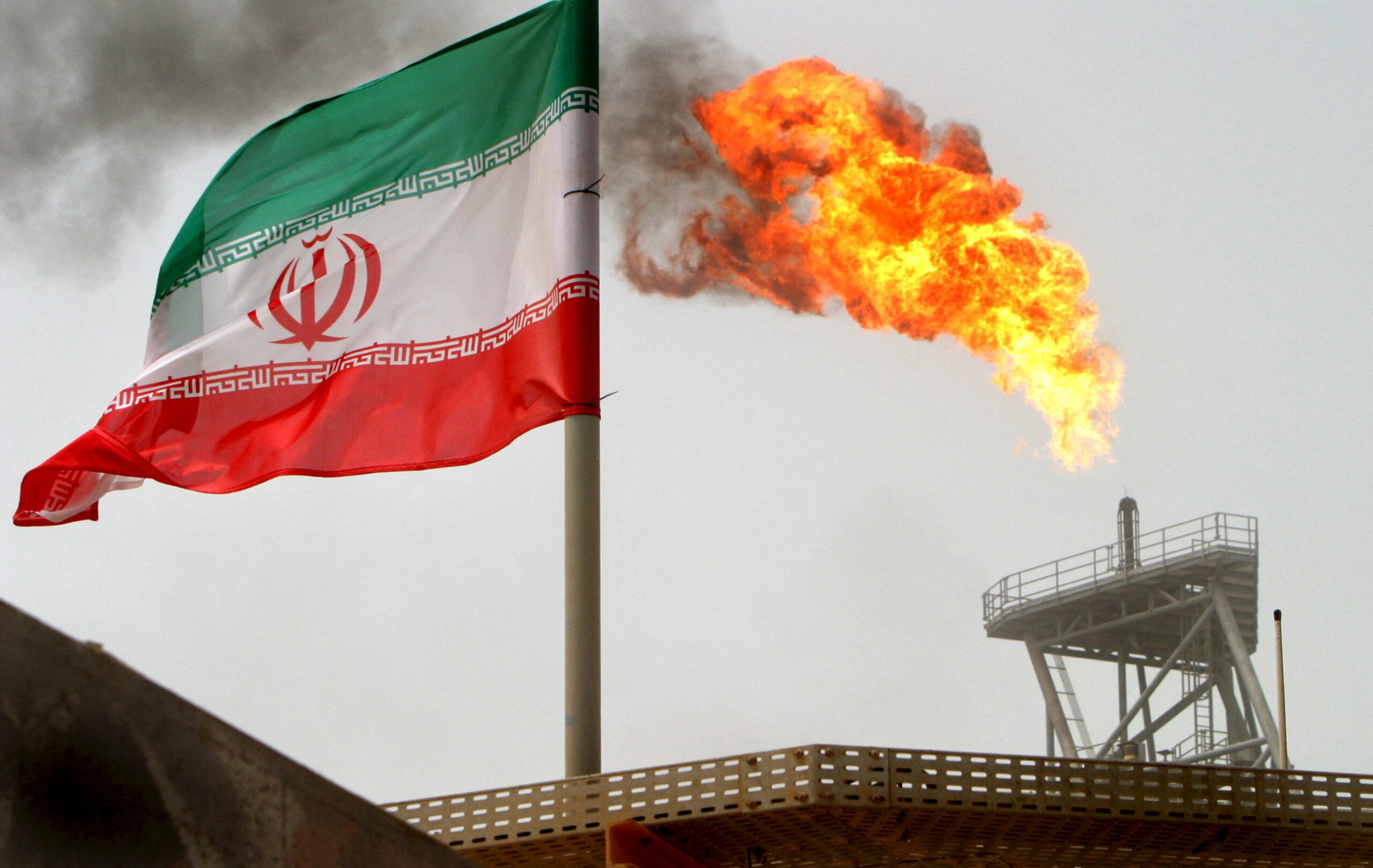
But these are not normal times. In response to an illegal war launched by the US and Israel, Iran has closed the strait. Some 20 ships have so far been attacked, several sailors have been killed, and the passage is said to be littered with mines. But it’s the economic waves the closure is already making that has leaders shaking.
Iran’s aim is to make the world feel the pain of a war it did not start. Oil prices now regularly surge above $100 a barrel – an effective increase of 45% on prewar prices. That’s already being seen at petrol stations, where prices are up by as much as 10p per litre as corporations anticipate global shortages.
Oil greases the wheels of the capitalist grind – literally. An increase in its price means, eventually, an increase in all prices: anything that takes energy to make, that must be moved or heated or cooled. In other words, everything. But that’s not all.
Around 20% of the world’s trade in liquid natural gas (LNG) also passes through the strait. Ahead of a full ban on buying Russian LNG next month, several EU countries have made Qatar – now a hostage to the closed strait – a preferred supplier. If Iran maintains the closure of Hormuz, the price of gas will go up, and heating bills along with it.
There’s more. Urea, a byproduct of LNG production, is a nitrogen product essential for fertilizer. As a little under half the world’s seaborne trade in urea must pass through the strait of Hormouz, prolonged closure could have a serious impact on the globe’s food chain.
Completely closing the strait isn’t something Iran has done before. It’s cheap, it’s easy (remember the Houthis, anyone?) and it’s a sign that Tehran may have few levers left to pull. The question is: how long will it serve the country’s interests?
Iran has calculated that the threat of global economic damage will cause US allies to persuade Trump to end the attacks. But while few countries have yet shown much interest in joining Trump and Netanyahu’s illegal war, that may change as price rises and stock plunges hit. And after hitting the phones all weekend, Trump reportedly hopes to announce some kind of coalition later this week.
While the pressure piles up on Trump, he’s applying stressors of his own. After a muted response to his call for support from other countries, he’s now wielded the big stick. “If there’s no response or if it’s a negative response,” he told the Financial Times, “I think it will be very bad for the future of Nato.”
Of course, Nato members are pretty used to that ultimatum. Trump’s used it every time he expects to get his way. But his threat to take Greenland “one way or another” just two months ago, as well as doubts over whether the US would honour its defence commitment under the treaty, have already seen the EU planning an independent defence path.
So far, only the UK appears to be ready to pledge Trump the support he’s begged for (despite him saying just a week ago that it was “too late” for the UK to help). And even that’s more gesture than genuine assistance.
The government is ‘considering’ sending mine-sweeping drones to the area – autonomous systems some of which haven’t been used in warfare before. In a press conference later today, however, prime minister Keir Starmer will pledge millions of pounds to ease the economic shock on British households, stressing, correctly, that “ending the war is the quickest way to reduce the cost of living”.
As his poorly-planned Iran adventure looks increasingly foolish, expect Trump to lash out more. We’ve all met men like the US president or his war secretary Pete Hegseth before: belligerent, swaggering, high on their own machismo supply. Laughable, yes, but menacing also.
And nothing will make them more dangerous than looking stupid in front of the whole world.
Steven Methven is the editor of Novara Live, Novara Media’s nightly news and politics YouTube show.