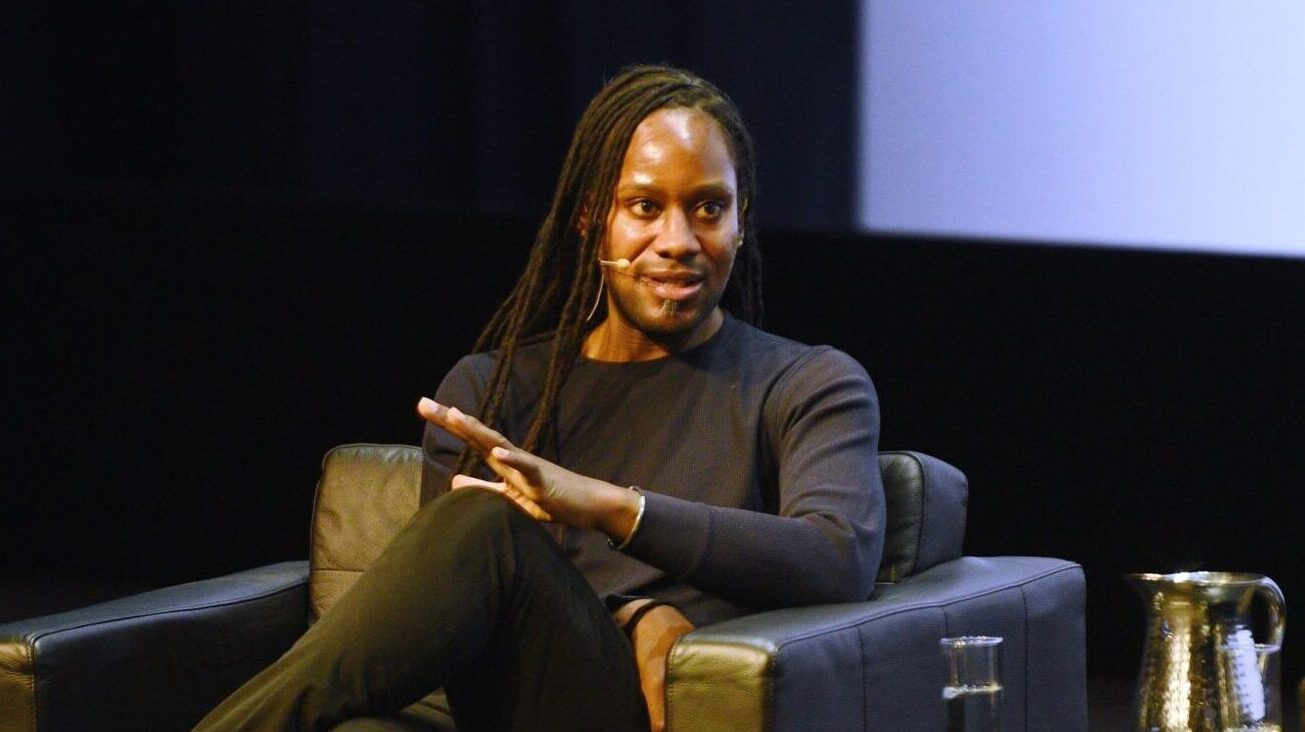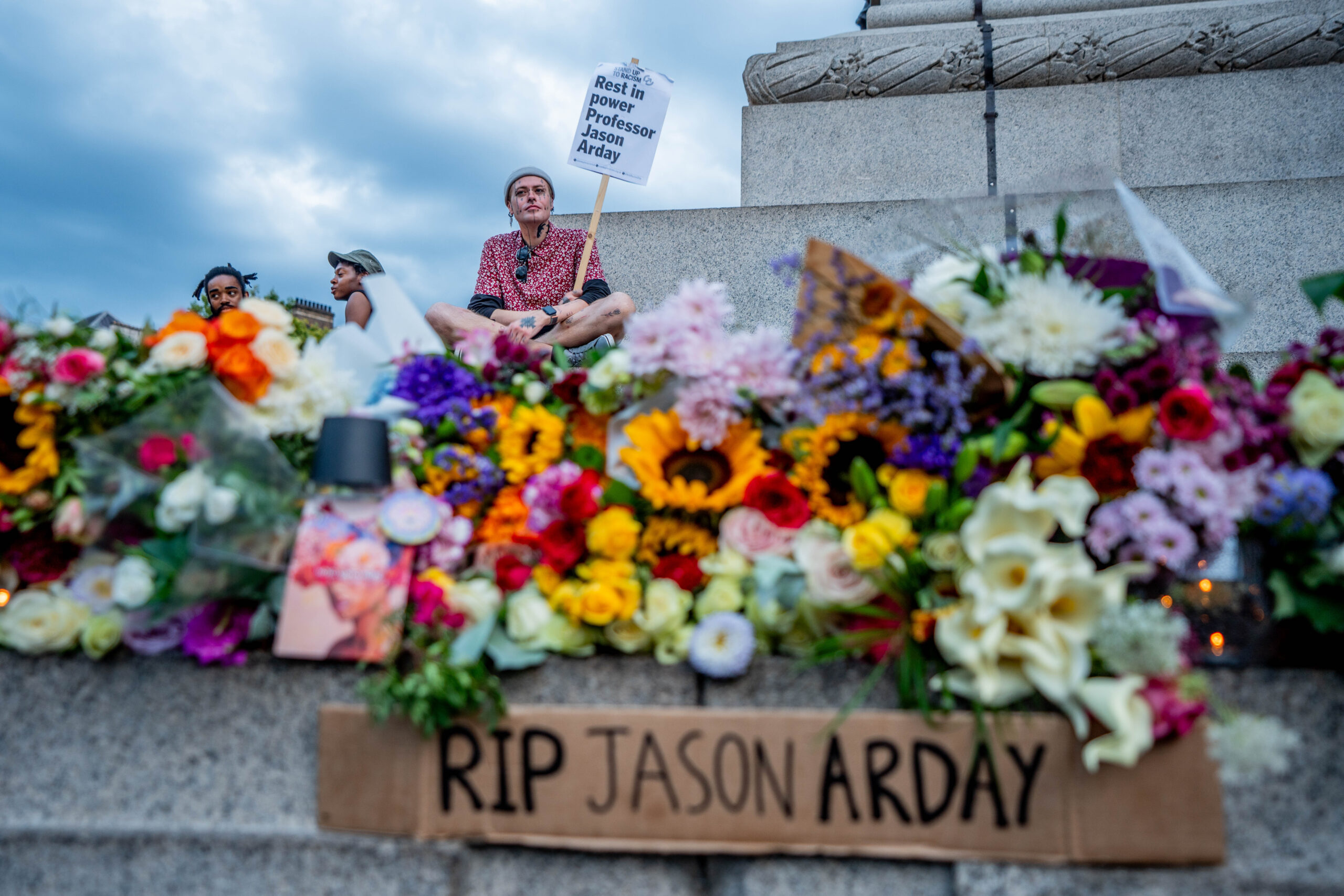
Professor Jason Arday’s life was precious and important. It ended prematurely following a callous, industrial-scale media witch hunt. For all the talk of the facts, many facts about his life have come to light since his passing. That he was widely regarded as a gentle man, a mentor to a number of young scholars and someone whose research was deeply impactful. Facts that turn him from a villain into a multi-dimensional human being. Even if he hadn’t been those things, he wouldn’t have deserved what happened to him – but they’re worth noting at the outset. May he rest in peace and power.
We’re living in an era of far-right populism. Far-right populism rests on the belief that only a specific kind of life is valuable and legitimate. In order to strengthen support for that belief, its champions have to consistently make the case that other lives aren’t valuable or legitimate.
One of the key mechanisms through which the right makes that case is via media-fuelled moral panics: by finding a story through which its particular targeted community can be located as the origin of all of society’s ills. Sometimes that story has a grain of truth to it; often it’s entirely falsified. But the right takes that story and blasts it so aggressively into people’s consciousness that it becomes almost impossible to see the world in any other way.
These moral panics – whether they’re about ‘diversity, equity and inclusion’ (DEI), ‘woke’ taking all the good jobs from the people who deserve them, trans people using bathrooms or competing in sports, or refugees seeking shelter – dehumanise these communities to the point where it then seems entirely logical to enact violence and expulsion upon them. After all, if a group of people is causing social decay or ill, they should be removed, right?
The role of a critical media outlet in this context is to have enough media literacy to understand when that machine is in motion, and to identify that as the story worth covering. That is the story of how power is operating. That is the story in the public interest. Point blank period.
Because when it comes to the facts of this case, there were many that weren’t part of the discussion, deliberately. Here are just a few.
First, as Ash Sarkar has pointed out, many people in academia, media and government have faced credible allegations of not just plagiarism, but far, far more serious kinds of academic misconduct. People who are public figures, who hold state power. Those allegations got at best a day of coverage. Many didn’t result in job losses, and none in a media frenzy so extreme as that we’ve seen over the last few weeks. Nor did those allegations turn into a wider discussion about the right of people with the same identity to hold positions of influence. That’s because those people are white and powerful.
Second, the university is in crisis, but it’s not because of DEI. There was no pearl clutching about the integrity of the academy when it was being compromised by the closure of entire departments overnight, mass redundancies and substantial funding cuts – because there’s no moral panic there. Instead, the undermining of the social contract of the university – like the social contract of Britain today – was placed at the feet of one man and all he represents. What does he represent? The ‘DEI hire’ – an accusation that no person of colour is safe from.
Third, we’re living in an age of far-right populism, which rests on the scapegoating and dehumanisation of people of colour and all people marked by their identity as unworthy and undeserving of dignity. That context is also a fact.
Within that context, decisions to dig up and pass comment on every facet of Arday’s personal and professional history – from old lectures to former students – added to the pretension that, several days into what was clearly a disproportionate, racially charged onslaught, the story was still about Arday himself. Those of us interested in challenging power should have been clearer about what was unfolding before our eyes.
I’m concerned about how some of my fellow Novara Media contributors have responded to the frenzied hounding of Arday over the last fortnight, which I believe reflects a general rightward drift in British culture that has been followed by parts of the left. I’ve been concerned for a while. We need to work harder to immunise ourselves against this drift, and to be much more wary of a press that isn’t interested in facts but in the business of generating moral panics.
It’s my belief that those of us on the progressive end of politics should consider that playing with this anti-‘woke’, anti-DEI hysteria is playing with fire. I say this as someone who has been writing about the limits of what we call liberal identity politics since 2015. I understand the pitfalls of that kind of politics – but that isn’t the conversation happening in public right now. To most people, ‘woke’ is a catch-all term for politics associated with marginalised people – Black people, people of colour, trans people, migrants. ‘Woke’ is not a term with conceptual boundaries – it’s a floating signifier, or a projection. And it’s a dangerous one.
In this moment of overdue reflection, I think it’s important that in our responses, we actively name what’s happened. This isn’t just a lack of media standards or restraint, but a broader political climate that’s costing lives and is preventing us from achieving the kind of political outcomes we need to curb the violence ravaging working class people around the world.
I also want to say that I’m sorry. When this hysteria was happening, I had many private conversations with friends and other scholars. We talked about how the only story of actual public interest here was that this was the latest incident in a dangerous escalation of racial scapegoating. I didn’t say anything publicly, because the media circus felt so egregious and so disproportionate, and I made the judgement that it was best not to add to that. I thought if everyone shut up about it, maybe it would go away. That judgement was wrong.
While we reject moral panics, we must retain morality. I have since learned that Jason Arday knew about Novara Media. It haunts me to think that he may have looked at my profile and seen silence. I am so sorry. I can only say that I understand the gravity of that omission, and it won’t happen again.
Dalia Gebrial is an academic, writer and Novara Media contributor.