Landlords Are Jacking up Advertised Rents to Dodge New Tenants’ Rights Law
Rule bans accepting offers above advertised price – but there’s a loophole.
by Soraya Kishtwari
25 August 2026
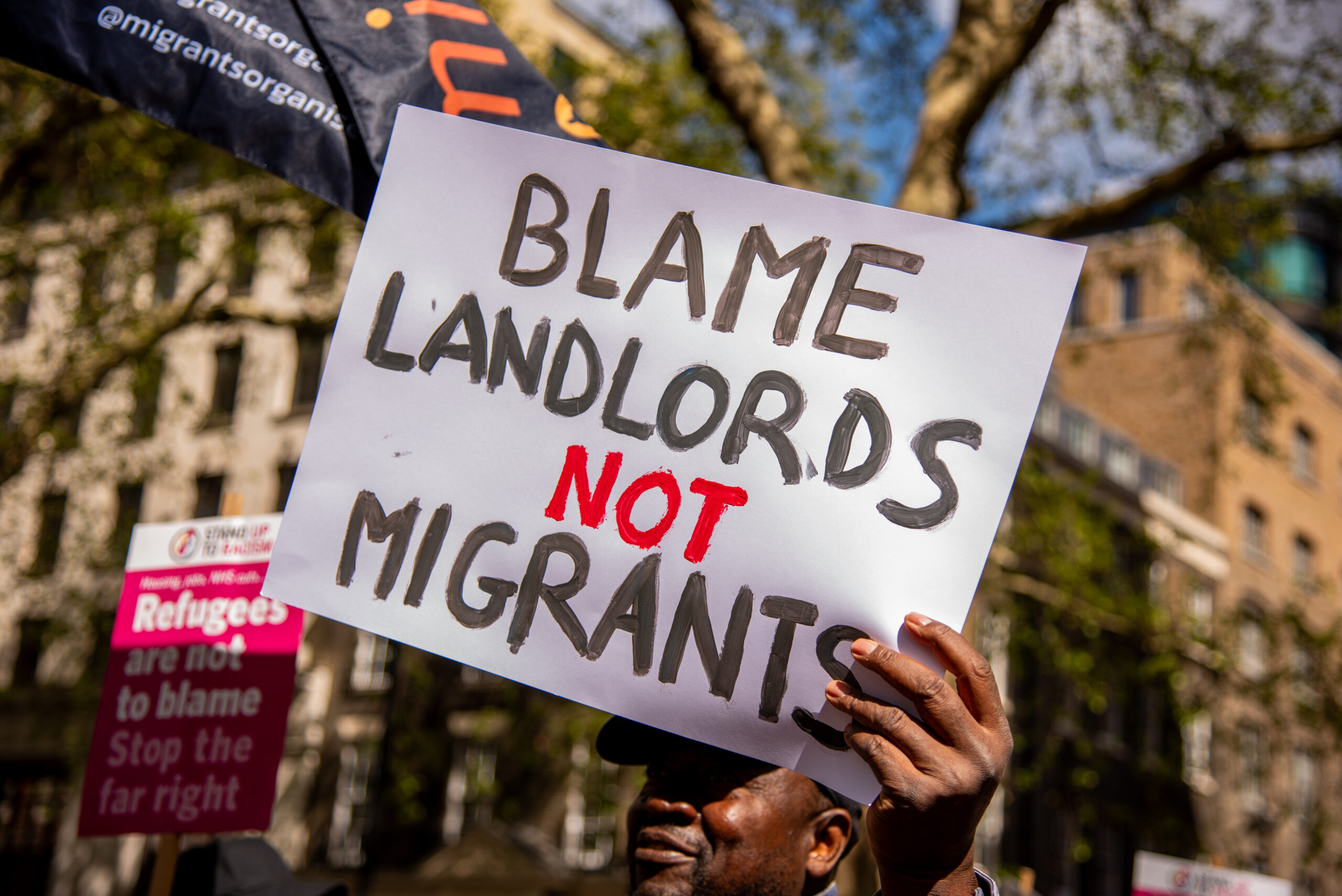
Landlords across London are advertising massively inflated rents to get around a new law that forbids charging tenants more than the publicly listed price.
Investigative outlet London Centric, which uncovered the practice, dubbed it an “inverse bidding war” – where tenants are compelled to make lower offers than the advertised rent, rather than trying to outbid each other.
The Renters’ Rights Act, which came into force on 1 May, aimed to end bidding wars among tenants by preventing landlords from accepting offers above the advertised rates.
But it does not place any upper limit on the asking price or prohibit taking lower offers.
London Centric contacted more than a dozen letting agents and was repeatedly encouraged to view properties above the price range given by its reporter. Agents said landlords would consider offers below the advertised rent.
One renter, Lucy Giles, 23, said an agent told her that landlords were responding to the new rules by putting rents “really high” and either expecting a lower offer or were “taking a stab in the dark and hoping that people would pay”.
Mairi MacRae of housing justice charity Shelter told London Centric the government should clamp down on loopholes and ensure the private rental market cannot find “cynical workarounds” to continue extracting ever-rising payments from tenants.
The new rules have other potential loopholes. Some listings are asking tenants to make large upfront payments towards bills for the “entire tenancy period”, despite the fact fixed-term tenancies are no longer allowed.
Among those who benefit from the abolition of fixed-term tenancies are students, who can now leave rental properties earlier, without having to pay for empty rooms over the summer. London Centric said that Foxtons estate agents had reported “elevated levels of tenancy terminations” in student rentals since the act came into force.
The loophole however, means that some may still be forced to pay upfront for bills for months where they are no longer in the property.
Soraya Kishtwari is a journalist and editor.