Meta: $18bn Poorer, Teenagers None the Wiser
Social media impunity is waning at last - but is it too late?
by Ash Sarkar
28 August 2026
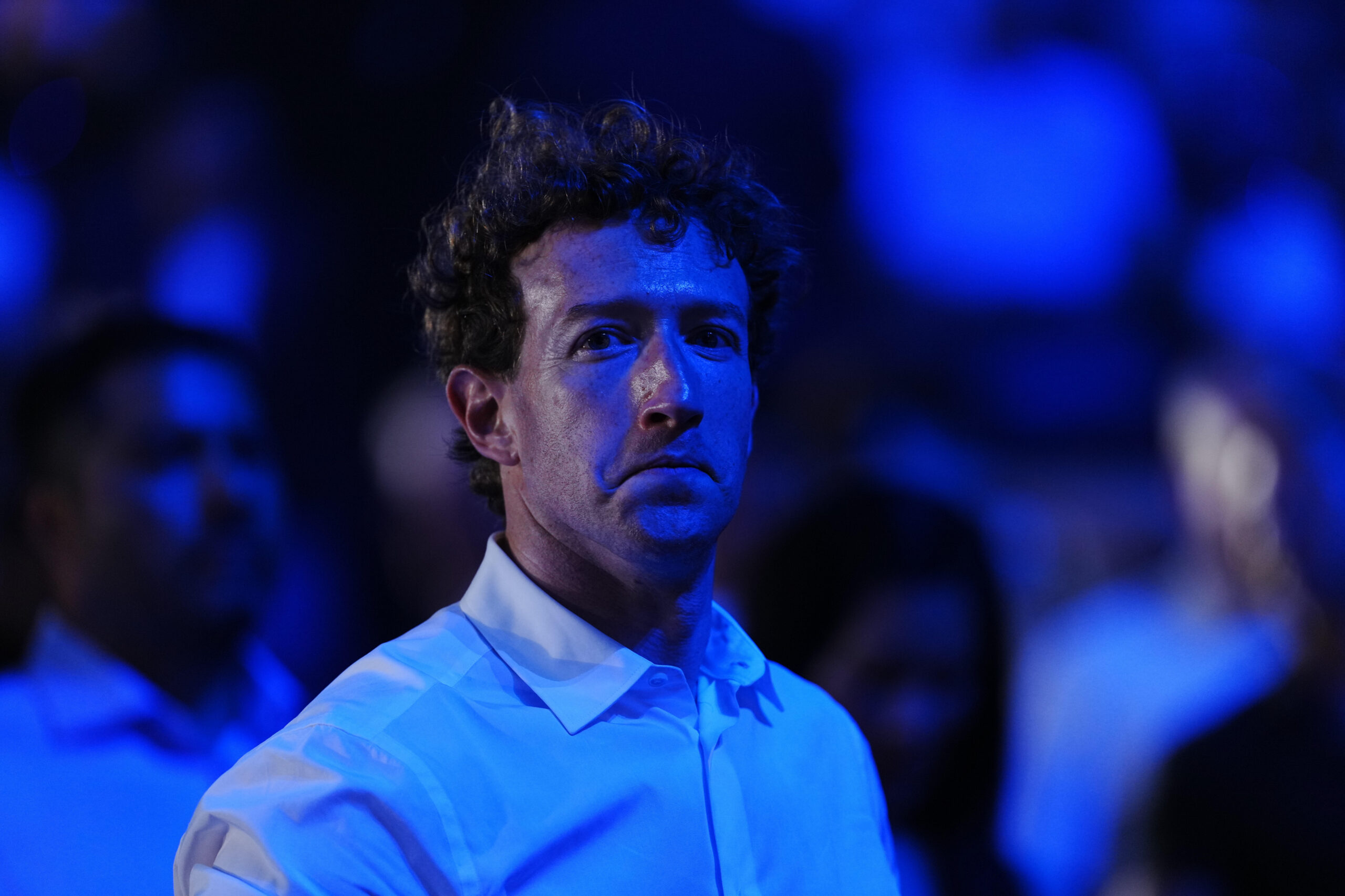
A coalition of 29 states, led by California, Colorado, Kentucky and New Jersey, has accused Meta of knowingly harming young people with its products – and Meta, rather than letting the federal trial proceed to its conclusion, has settled for $18bn (£15.4bn).
To put that in terms Mark Zuckerberg can understand, that’s the equivalent of 60 megayachts. Or, in terms I can understand, more than 4 billion Tesco meal deals without a Clubcard.
So, what was the case? Though Meta insisted in court that child safety was a top priority for the company (no giggling from the gallery, please), the plaintiffs argued that the tech giant had designed its products, including Facebook and Instagram, to keep young people compulsively engaged. The states produced internal documents in which Meta employees discussed “addiction”, problematic use and teenagers having difficulty managing their time; one internal product document discussed teenagers’ heightened sensitivity to dopamine and said this created product “opportunities”.
While the judge did not find conclusive proof that Meta had deliberately engineered their products to be addictive to teenagers, there was enough material that the claim could be put to the test. You can see how that’s a big ruh roh from a corporate perspective.
What’s more, the court heard testimony which suggested that Meta were well aware that young people had real difficulty in disengaging from the apps, and that the company’s much-touted safety features were about as useful as a chocolate parasol. Arturo Béjar, an ex-Meta safety engineer, said that the company’s mental health and safety features were “designed to fail”.
“It’s like [if] you have a car and they give you some brakes, but the brakes are in the trunk,” he told a federal court in Oakland. “You have to go look for it and install it before you turn it on.”
The states alleged that Meta told lawmakers, parents and the public very different things from what they understood in their own internal research. It was also argued that Meta allegedly knew, or deliberately avoided knowing, that children under the age of 13 were using its platforms, while continuing to collect their data without the safeguards required by federal law.
The pinnacle of the states’ case was that all of these things added up to Meta’s products interfering with, and significantly damaging, the ordinary experiences of adolescent life. Though it wasn’t argued that Meta’s social media platforms invented adolescent mental health problems, it was argued that they contributed to or aggravated problems including anxiety, depression, negative body image, disordered eating and, in severe cases, suicidal thinking. You can see why Mark Zuckerberg may have wished to avoid being pressed on the stand.
There are some big changes coming down the line for Meta’s American users. As part of the settlement, Meta will make safety restrictions the default setting for teens who set up an account. Young users will be limited to two hours on the app per day, though that can be changed by parents (or, let’s face it, enterprising teens). Visible ‘likes’ will be disabled by default, and filters which mimic cosmetic procedures will also be barred for young people. Luckily, society is otherwise really good at promoting realistic, procedure-free standards of beauty.
$18bn both is, and isn’t, a lot of money for Meta. The parent company of Instagram, WhatsApp and Facebook is worth more than a trillion dollars; it can afford $18bn, but the sum plus the raft of new safety measures is a sign that the era of social media impunity is waning. Maybe it’s too late – by now, tech giants have had unfettered access to three generations of digital natives (millennials, zoomers, and gen Alpha), and our brains are irrevocably cooked to the consistency of scrambled eggs. But perhaps the case itself points to a fragile green shoot of hope: the people yearn to be freed from the screen.
Ash Sarkar is a contributing editor at Novara Media.


