The Greens Are Gearing Up for a Fight Over Who Runs the Party
‘We shouldn’t leave it to the leadership to decide.’
by Clare Hymer
5 November 2026
Could the way the Green party of England and Wales makes policy – and who gets to call the shots – be about to change? Possibly, but not without another scrap.
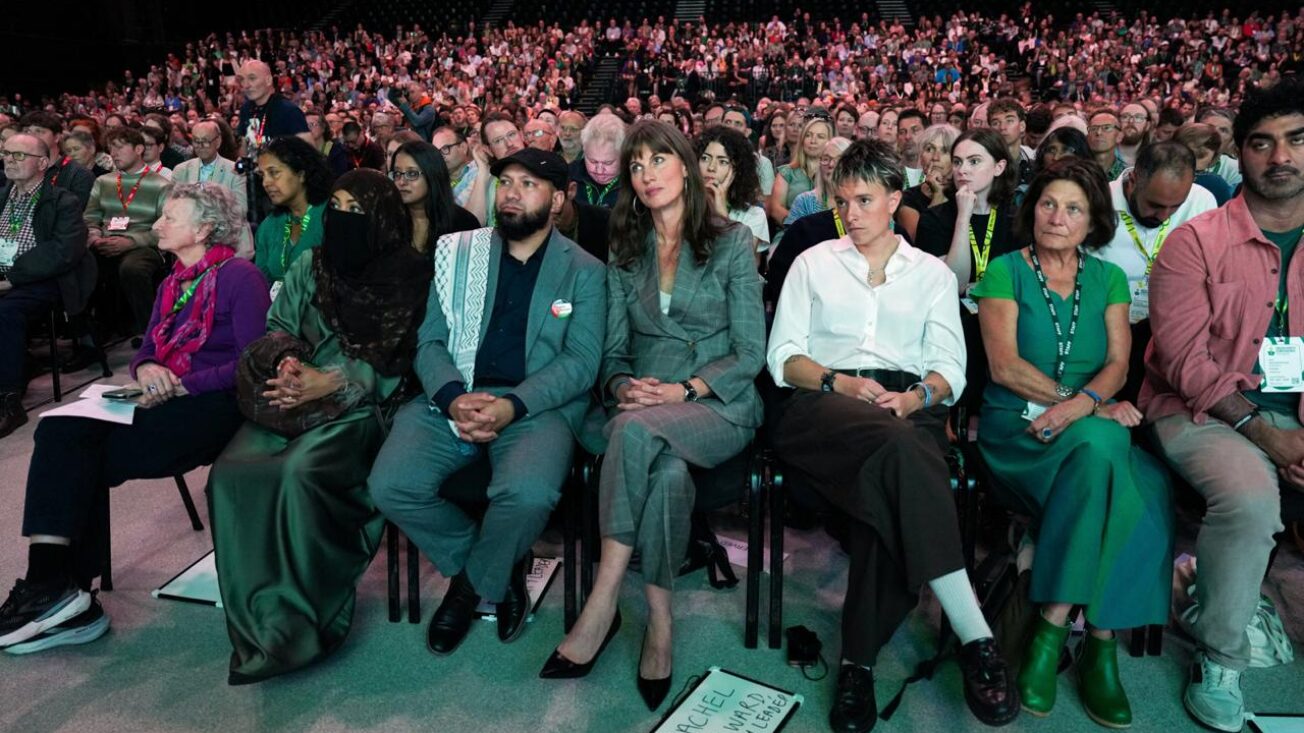
Ever since the motion stating that Zionism is racism passed at Green conference in October, senior party figures have taken to legacy media outlets to claim that the vote shows the party’s internal democracy isn’t working.
In an act with more than a whiff of the Corbyn-era Labour right, former co-leader and MP for Waveney Valley Adrian Ramsay told Laura Kuenssberg at the weekend that the Greens are at risk of being overrun by the “hard left”. Ellie Chowns MP has said she wants to make sure her party is not “vulnerable to capture by extremists”, while Green trailblazer Caroline Lucas has raised concerns about “entryism”.
But it’s not just the Greens’ old guard who think the party needs a shake-up. Leader Zack Polanski wrote in a Guardian article after the conference that the party’s democracy must “evolve” to meet the Greens’ newly expanded membership, “creating wider engagement for members, giving leaders more responsibility to set… strategic direction, and making our processes as robust and accessible as possible”. This was followed by a “joint leadership statement” last week which said a working group had been set up, and the first proposals would likely be voted on at the party’s conference in spring 2027.
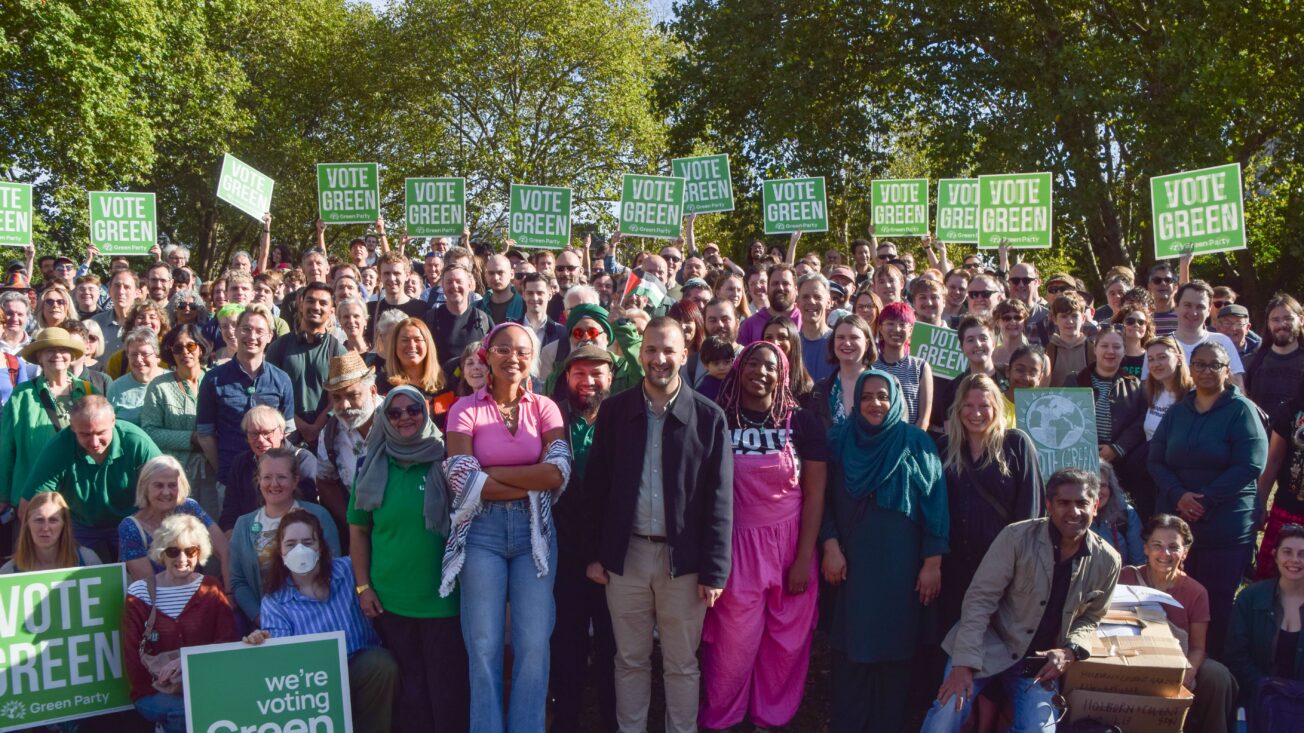
As it stands, the Greens have a one-member-one-vote system: any member, regardless of how long ago they joined the party, can vote on policy and changes to the party’s constitution. This direct democracy, which is distinct from the other mainstream parties in Britain, is cherished by the membership – and any group of members who organise well around conference can change party policy, be that to declare that Zionism is racism, or for the Greens to ditch their longstanding opposition to nuclear power.
The recent murmurings around change have got some members worried. An open letter to Polanski and co. circulating on social media this week insists that the party sticks with the one-member-one-vote model, and that “members will not accept any move away from this model”. Meanwhile, Greens for Palestine – the members behind the Zionism is racism motion – put out a statement against those seeking to “subvert the Green party’s member-led democracy because they fear a loss of control”.
Russell Warfield, author of the new book The Green Socialist: Zack Polanski and the Battle for Britain’s Future, told Novara Media he doesn’t think Polanski’s calls for improvements to the party’s democracy are, unlike for others, “a knee-jerk reaction to fix the ‘problem’ of the Zionism motion”. But for as long as the leadership’s proposals are unspecific, Polanski risks being seen to be in a coalition with those most vocally opposed to the motion. Members are likely wondering if their leader is – like Ramsay – in favour of a delegate system more similar to Labour, whereby local parties select members to send to conferences.
On Wednesday, Greens Organise (GO), a group of ecosocialist party members, published a model motion aimed at improving how conferences run and better engaging members – one it hopes will be uncontroversial. It also called for proposals for the more fundamental matter of how (and crucially if) the party’s democratic processes should be reformed.
“Any changes must serve the purpose of building a mass, ecosocialist party – not a reaction to any one policy,” the group said. “We should not leave it to [the leadership] to decide.”
The good news for those in the ‘change nothing’ camp is that anyone wanting to see a major reform through will have a tough time. First, they’d need a two-thirds majority. Second, many have wrangled over the party’s internal workings before – and yet its core structure remains the same as 30 years ago. (Warfield noted that it’s an odd reversal that the veteran Greens “clamouring” for the current review “roughly correspond to the cohort who most resisted it last time”.)
“I think it’s unlikely this is going to be easily resolved,” Warfield said.
Clare Hymer is head of articles at Novara Media.