Home Office Tries to Cancel Online Talk by Pro-Palestine Speakers – Then Denies It
Andreas Malm was already banned from the UK ahead of talk with Huda Ammori.
by Charlotte England
16 November 2026
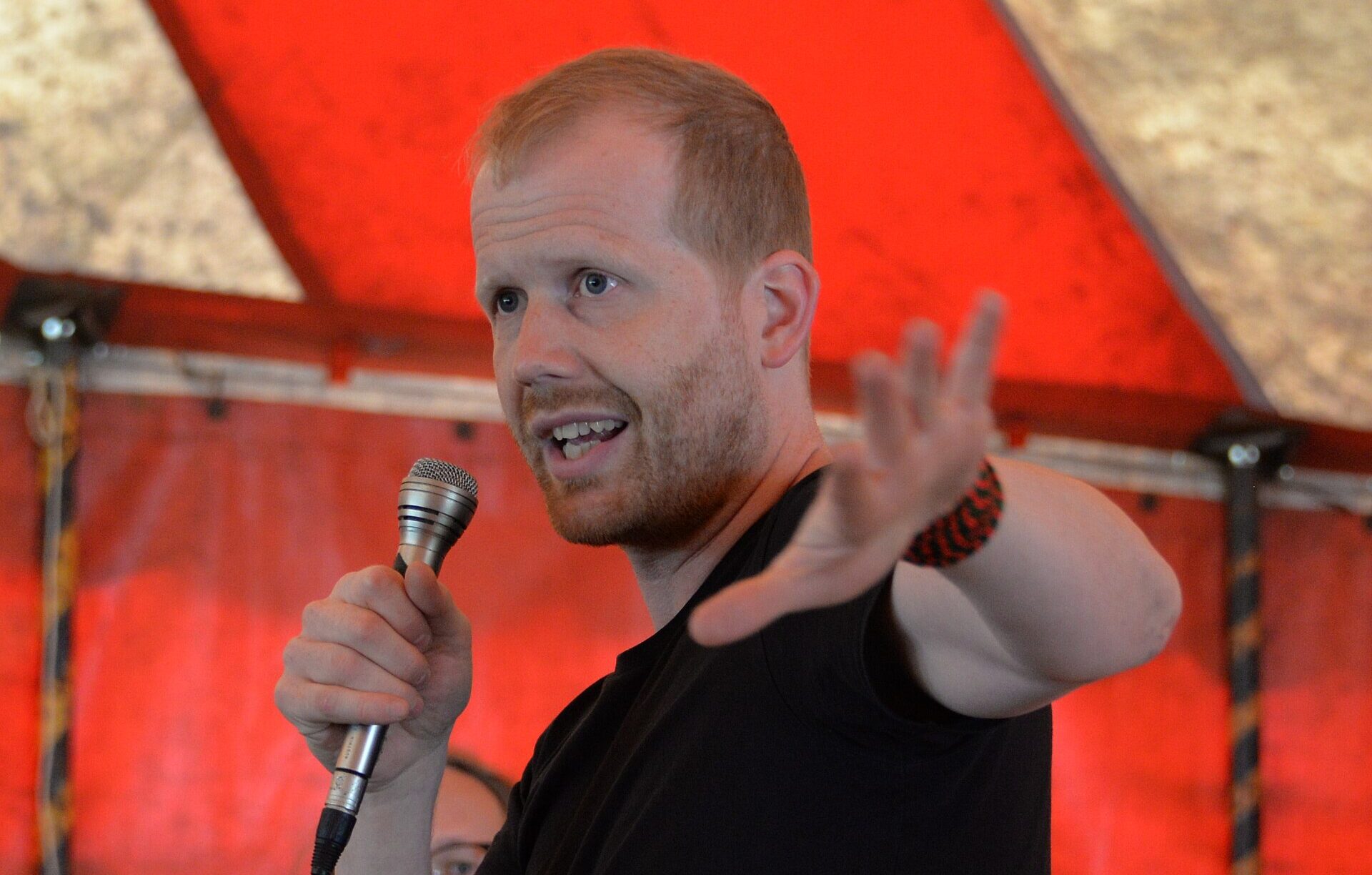
A Green party mayor had to intervene to save an online talk by a leading Swedish climate academic after the Home Office put pressure on the council to cancel the event, documents show.
The Tribune magazine launch in Hackney, east London, was initially set to include an in-person panel featuring Andreas Malm and Palestine Action co-founder Huda Ammori, but the panel moved to video link after UK immigration authorities told Malm he would not be allowed to enter the country.
Organisers have now revealed that in the run-up to the 4 November launch, Shabana Mahmood’s officials appear to have gone a step further and tried to intervene to stop the event entirely.
Documents obtained by Tribune magazine under freedom of information laws show the Home Office repeatedly contacting Hackney council to raise concerns, ask if the venue had been contacted and chase officers for updates.
In an open letter to the home secretary, Hackney mayor Zoe Garbett, who stepped in to save the talk after the venue said it felt forced to cancel, described the intervention as “an appalling assault on free speech” and demanded an explanation.
A Home Office spokesperson said it was “categorically untrue to suggest the Home Office pushed for this event to be cancelled”, telling the Guardian that it had simply provided advice to the council, which ultimately held the power to decide.
But in repeated correspondence with the council, the Home Office described the event as featuring “two speakers of concern”, mentioned a breach of terror law and shared an intelligence summary used to justify revoking Malm’s travel authorisation.
According to the Home Office, Malm, a climate academic and author of How to Blow Up a Pipeline, “legitimises and encourages attacks on energy infrastructure and terrorism”. Meanwhile, Ammori’s participation, a Home Office Prevent department claimed, could be in breach of the Terrorism Act (2000). Ammori, who was interviewed in the Observer and photographed for the magazine’s front page in the week of the event, has not been charged with any crime.
After being chased by the Home Office, officers eventually wrote to MillCo, which operates the council-owned Rose Lipman building, where the event was set to take place. On 3 November, a venue manager informed Tribune editor Oliver Eagleton that they would have to cancel the event.
The cancellation was only reversed after Eagleton contacted Garbett, who instructed officers to inform the Home Office of the council’s “statutory duty to uphold freedom of expression and peaceful assembly”.
In a statement, Garbett said she was “appalled by the Home Office’s attempt to influence decisions made locally in Hackney, and to suppress freedom of expression and assembly within our borough”.
Malm, meanwhile, described “the UK’s crackdown on free expression” as “terrifying”.
“First they ban the books of Sally Rooney,” he said. “Then they block people like me from entering the country because of our support for Palestine. Now it comes to light that they tried to cancel this magazine launch – just because they feared that the speakers might say something they disagree with. Where will this repression end?”
Ammori said: “The proscription of a protest group as a terrorist organisation for the first time in British history has unleashed an unprecedented assault on free speech in this country. By trying to prevent me from being able to speak publicly, the Home Office has further proven the case I was making in the Supreme Court that same day about the authorities misapplying the law to carry out unlawful arrests and unlawful acts of censorship such as this.”
Charlotte England is a journalist and director of Novara Media.


