The Government Pays Landlords £17bn a Year. It’s Taking Back £2bn. So What?
The real benefit scroungers.
by Nick Bano
3 December 2025

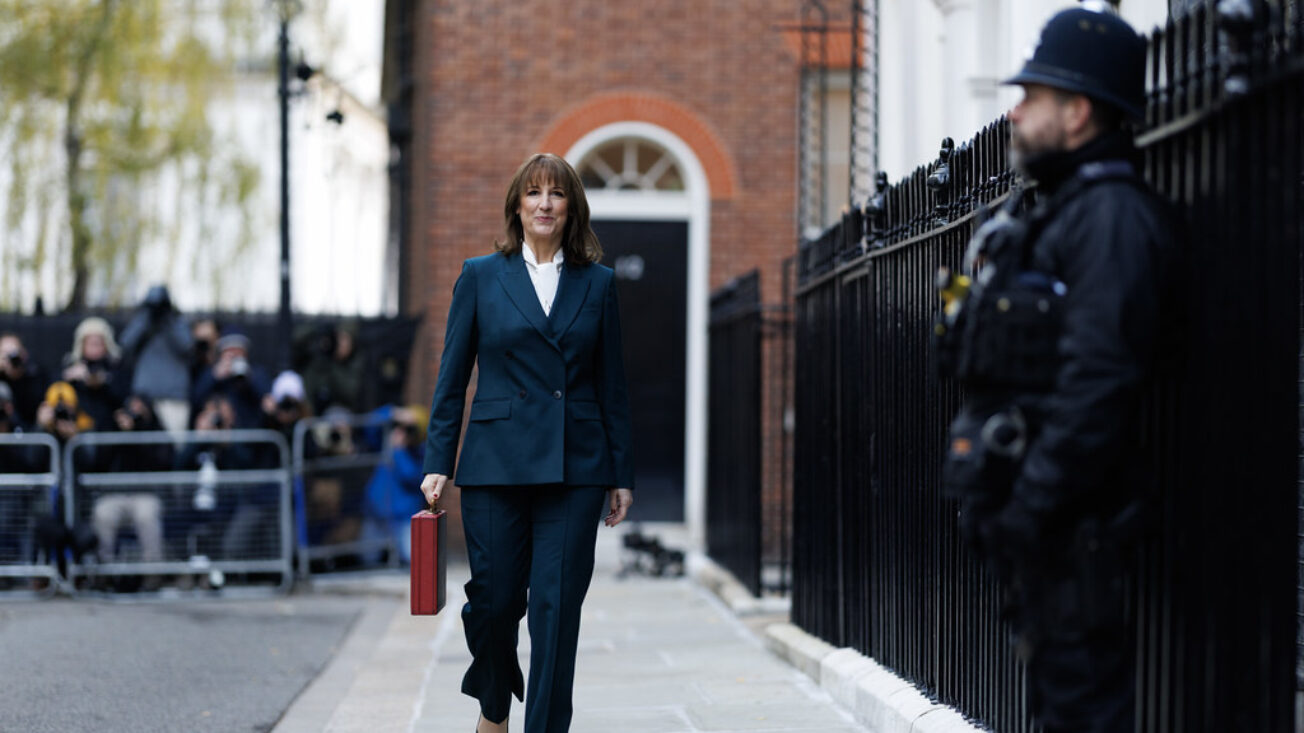
After all of the posturing that surrounded the supposedly radical 2025 budget, there it was: a “mansion tax” tacked onto England & Wales’s bizarre, outmoded system of council tax banding, and a small increase on property-related income taxes. For properties valued at over £2m (a threshold considerably higher than the £1.5m trailed in the media, and one met by only 165,000 properties in the UK), owners will start paying an additional levy in 2028. Landlords, meanwhile, will pay a mere 2 percentage points more in property taxes. So much for a red scare.
Reeves’ tentative move was met with immediate media hysteria. The budget was reported in the Financial Times as a “swoop” on landlords and wealthy homeowners. The Times attempted to garner sympathy for so-called paper millionaires, asset-rich but cash-poor property owners whose wealth is unearned and yet somehow undeserving of taxation. Even the Office for Budget Responsibility (OBR) – which, by its own admission, is severely under-resourced – responded with dismay to Reeves’ modest attempt to raise the tax take. It expressed concern that “reducing returns” to private landlords would reduce housing supply and risk driving up rents.
In truth, the mansion tax is mostly decorative, a way of signalling radicalism while leaving landlords mostly unscathed. In fact, it is – and remains – landlords and wealthy property-owners who are swooping in on the government, not the other way around.
It is easy to see why the chancellor was attracted by such virtuous-sounding policies. Constrained by her own fiscal rules, Rachel Reeves was duty-bound to find savings somewhere. She had also been vocal about putting the burden on those with the “broadest shoulders”, perhaps conscious of the growing clamour for a wealth tax (in no small part thanks to Zack Polanski, who has made it integral to his platform). With public debt at 95% of GDP and a public sector already stripped bare by 15 years of austerity, the ever-booming housing market must have looked like an irresistible source of revenue. It’s unclear whether it will be, however.
Apart from stoking another round of house price speculation – the legacy media’s favourite pastime – what will Reeves’ mansion tax and increased property income tax achieve? By Reeves’ own estimate, the net yield of the mansion tax is likely to be about £400m per year. Its increased property income tax is expected to raise £2.2bn. This might sound like a lot, but it is a fraction of what the government pays out to landlords, in the form of housing benefits and outsourced accommodation, each year.
Shortly before the budget, the government announced that it was now paying landlords 25% more to temporarily house homeless people: £2.8bn per year, roughly the same as the new housing tax hikes are predicted to raise between them. The entire mansion tax and increased property income tax revenue is, in other words, going to be swallowed up by landlords before the changes are even made.
This includes the £3.5m the government pays each day to billionaire landlord Graham King, the 154th wealthiest person in the UK, to provide migrant and refugee accommodation via his housing outfit, Clearsprings. This contract alone would eat up the mansion tax receipts in less than a fortnight. In adult social care and homelessness provision, too, policy is geared towards wasting public money on rent-seeking private providers, paying out to more than 5,000 different companies in a sector that by its own estimates is worth roughly £316bn a year.
Yet this temporary accommodation bill pales in comparison to what landlords get from the government in the form of their tenants’ housing benefits: the New Economic Foundation predicts landlords will be paid £73bn in housing benefits in the five years 2024-29, averaging £14.6bn a year (which, combined with the £2.8bn a year landlords receive for temporary homeless accommodation, brings their total annual payout from the government to over £17bn). The bizarre system of housing benefits and houses in multiple occupation (HMO) regulations (probably not Reeves’ favourite subject, having failed to license her own £3,200-a-month rented apartment in Dulwich) actually encourages property owners to chop up existing buildings into tiny flats, reducing living standards and increasing state spending through higher benefit rates. The budget did nothing to tackle these deeper problems.
Had the chancellor seriously thought about why money flows out of the state’s coffers, she would have found far better ways of saving it. The method of welfare spending that has developed over the last few decades is that billions are spent on large and small-scale providers – from Mitie and G4S, to racist buy-to-let tycoons – with very little to stop these firms from naming their price. For all of the government’s claims about a long-term economic plan, the budget suggests that this costly model of welfare provision is likely to continue.
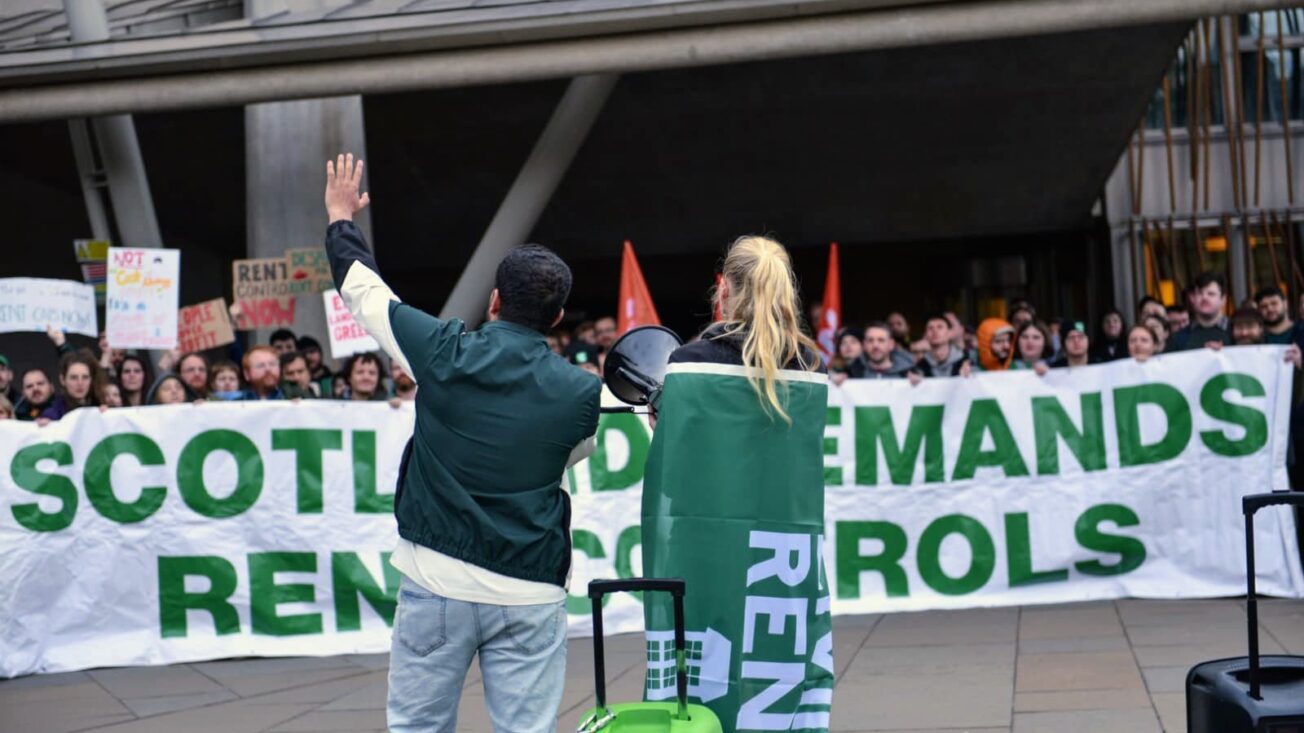
What could the left have done in Reeves’s place? The Green party, having passed an anti-landlord motion at its last conference, is bound to be thinking about the kinds of measures that could make that aim a reality. It is also theoretically possible that Your Party might kick into gear, overcome the queasiness of some of its own MPs and start thinking seriously about public finance and housing policies.
It is perfectly possible to reduce state spending in a way that targets those with the broadest shoulders. Even if we were to start as small as Reeves has, a sensible budget policy might have been to cap the amount of rent chargeable for temporary accommodation. This, at a stroke, would greatly reduce the pressure on local government: some councils are spending half of their entire budgets on temporary housing for homeless people; it was a major factor in Birmingham council’s bankruptcy in 2024.
Some might argue that these sorts of public sector price controls would reduce the provision of desperately needed temporary homes, but this is a bad point. This kind of disincentive would release temporary accommodation properties back into the rental market, an increase in supply which would necessarily reduce the number of homeless people to begin with. If the OBR’s childish reasoning is to be believed, this kind of supply boost could also relieve the upward pressure on rents. Measures like this are valuable in their own right, but could also act as a soft launch for the reintroduction of rent controls in England and Wales more broadly, the only serious means of keeping the vast benefits bill under control.
The mansion tax tells us all that we need to know about the government’s horizons. It is happy to incentivise HMOs and other forms of welfare rentierism. It is content to leave local councils in perpetual financial crisis. It would have left the two-child limit in place, had their backbench MPs let them. Reeves’ most ambitious reform was to create additional council tax bands for properties worth 50 times the national median wage.
At the present rate of growth, the number of households living in temporary homelessness accommodation will be almost the same as the number of mansion-taxable properties. But the extra levy charged on the latter will not even begin to cover the cost of the former. Serious structural change is needed to stop the great haemorrhage of public resources from the Treasury to landlords, and Reeves’ additional property tax will do nothing to staunch the bleeding.
Nick Bano is a housing rights lawyer and the author of Against Landlords: How to solve the housing crisis.