Scotland Has More Pro-Independence MSPs Than Ever Before
But Reform gained a foothold.
by Jonathon Shafi
12 May 2026
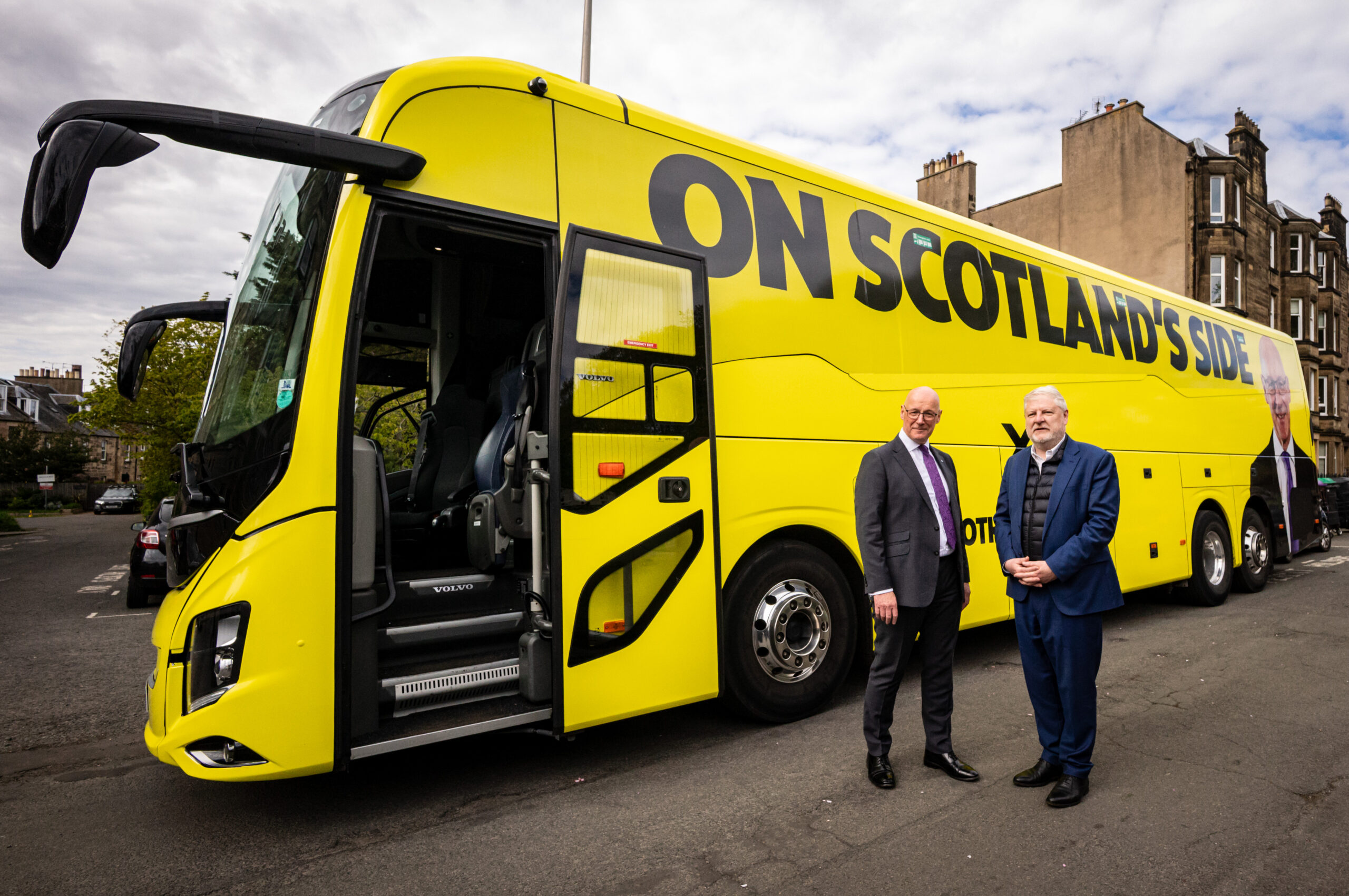
In the aftermath of the Holyrood 2026 election, Scottish National Party (SNP) leader John Swinney is winning plaudits from party activists who, not so long ago, were facing what felt like an existential crisis for their political project. Having lost Nicola Sturgeon, a once untouchable leader, to a police investigation into party finances, the post-Sturgeon period was dominated by scandal and bruising internal feuds, culminating in a short-lived spell at the helm for Humza Yousaf.
All of that now feels like a distant memory. Scotland’s next first minister even received praise from Donald Trump, in a social media post commending his role in negotiating tariff relief for the Scottish whisky industry. He “deserves this Big Electoral Victory”, declared the US president. Superficially, this is a curious juxtaposition, given the Scottish government has drawn the ire of personalities on the international right for its “woke” credentials.
As it happens, this neatly sums up the essence of Scotland’s governing class, dramatised by the culture war on the one hand, while corporate interests reign supreme on the other.
In this vein, Lorna Slater – who made a historic breakthrough for the Scottish Greens by winning a constituency seat, removing leading SNP figure Angus Robertson in the process – signed off on one of Scotland’s largest-ever PFI deals as a Green minister. This initiative, based on paying wealthy landowners to plant trees, is typical of an ongoing process of asset stripping, under the guise of environmentalism. The party delivered a record number of MSPs, having successfully straddled the insurgent energies linked with Zack Polanski, in concert with a spell in government at the heart of the Scottish political establishment.
The Greens are now competitive beyond the regional list and can directly challenge in the first-past-the-post element of Scottish parliamentary elections. With Holly Bruce winning in Glasgow Southside, it is now conceivable to talk of burgeoning Green “heartlands”.
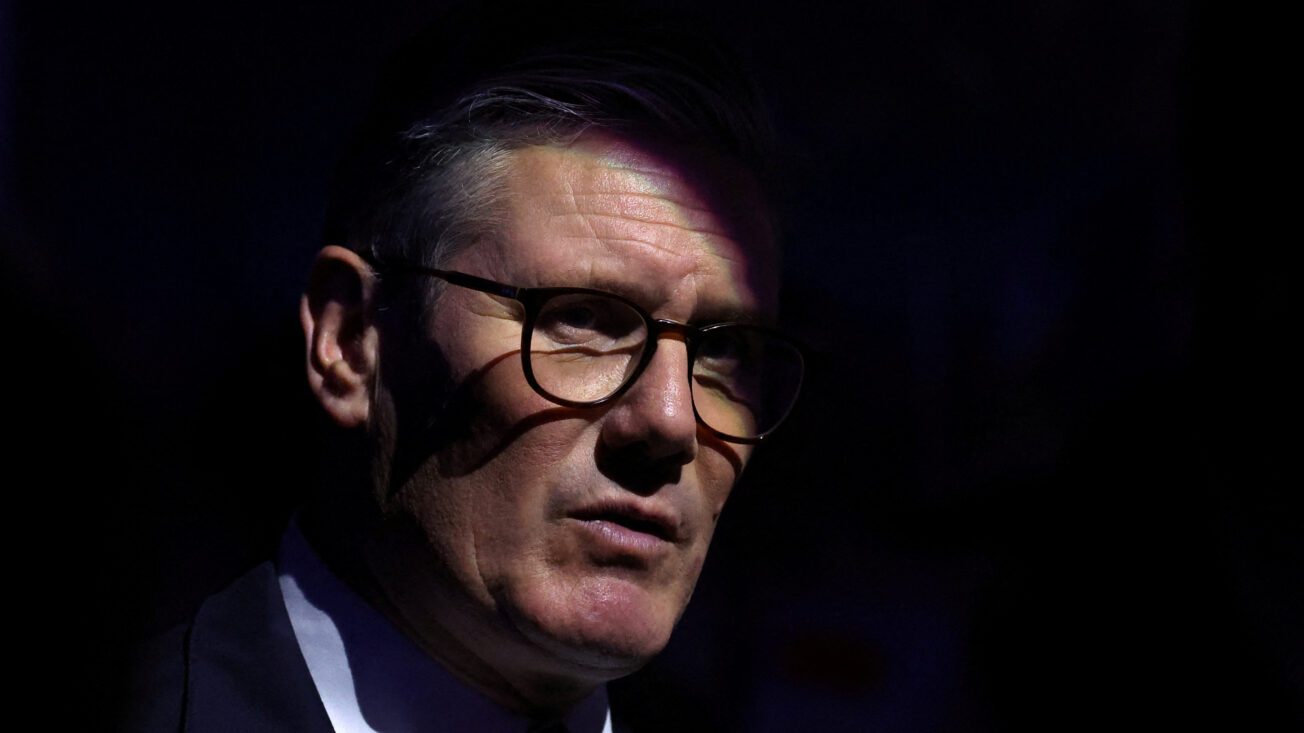
Scottish Labour faces an ongoing crisis of an increasingly terminal quality. The party is unmoored from its traditional base. And while there had been some cause for optimism – after Labour won 37 seats, a gain of 36, in the 2024 general election while the SNP returned just nine MPs, a reduction of 39 – Starmer almost immediately skewered any potential revival with winter fuel payment cuts.
After the Mandelson affair, Scottish Labour leader Anas Sarwar had no option but to call for the prime minister’s resignation. But it was already too far gone. Scottish Labour has returned to Holyrood with a cohort of 17 MSPs. Their share of the vote declined by 24% compared to the last Scottish parliament election in 2021. Without direction and lacking in ideological purpose, the party continues to stare into the long abyss.
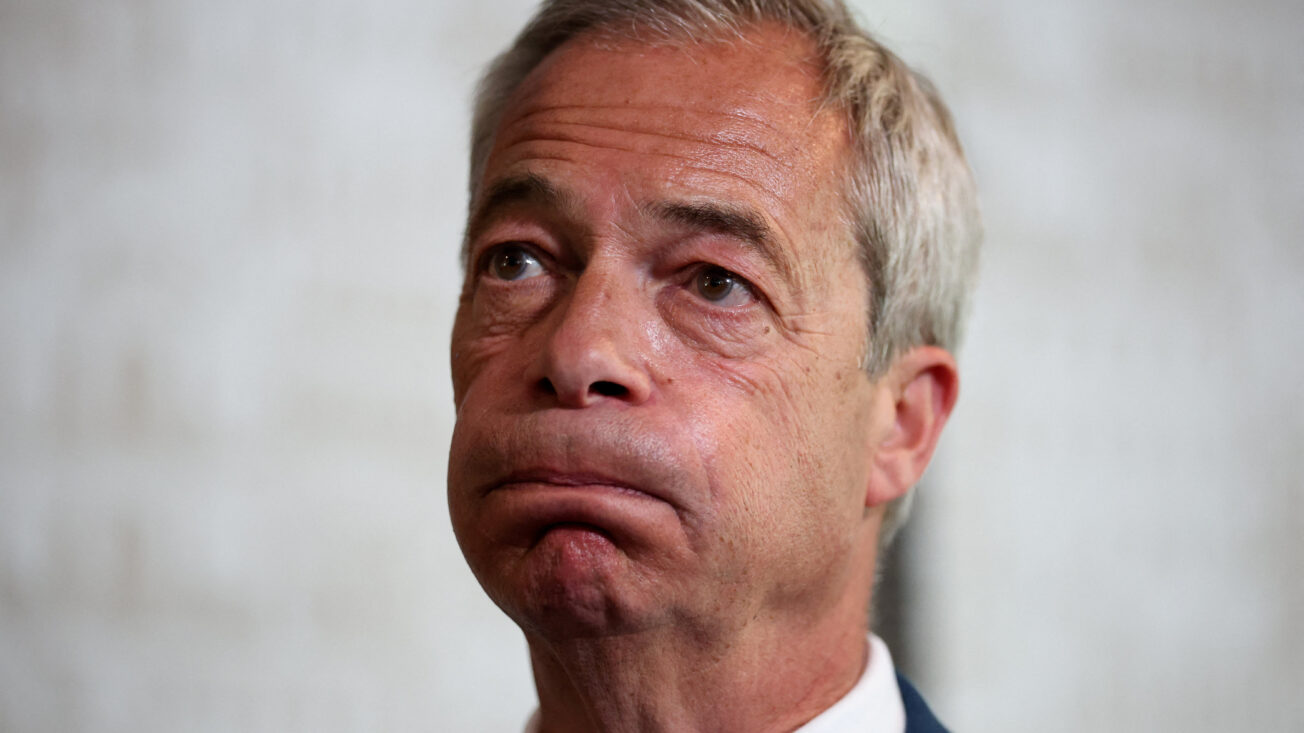
Meanwhile, Reform made a substantial breakthrough in Scottish politics, equalling Labour’s complement of 17 representatives. The nascent party ran a confused campaign, attempting to twin a Thatcherite economic agenda with “populist” aesthetics focused on scapegoating immigrants and refugees, or as deputy leader Thomas Kerr prefers, “strangers”.
A slew of candidates were taken down early doors, after the unearthing of various controversies. The result appeared to be tinged with disappointment, especially as winning any constituency seats proved a step too far. Reform’s leader in Scotland Malcolm Offord, the most high-profile of all Reform’s Scottish spokespeople, came a poor third in Inverclyde with a paltry 5,649 votes. But there is no denying the performance on the regional ballots, having attracted 383,425 Scots. This is the first parliament of the devolution era to include a party of the radical right, which now has a serious foothold from which to build.
Constitutional dynamics continue to contour Scottish politics. The national question provides the SNP with an identifiable social base, indispensable in a fractured landscape. At the same time, there are signs of erosion; the SNP’s constituency vote share was the lowest since 2007. In several contests, Reform divided the pro-Union vote to the benefit of the SNP, much to the dismay of the Scottish Conservatives. That said, returning 58 MSPs after so long in power showcases a durability that competitors can only envy.
Taken together with the Greens, Holyrood has a record number of independence-supporting MSPs and at 73 to 56, a clear majority. But the same obstacles and electoral opportunism apply. In truth, the coming years are more likely to be dominated by swingeing cuts to the public sector, the continued primacy of the corporate sector and a volatile geopolitical backdrop. Thus, while elections focus attention on party politics, the long-term prospects for the Scottish left will largely depend on how it responds in the extra-parliamentary domain.
Jonathon Shafi is a socialist campaigner based in Glasgow. He writes the weekly newsletter ‘Independence Captured’.