The Government Claims It Consulted Green Groups on Data Centres. The Evidence Says Otherwise
Big tech companies got asked, though.
by Ben Smoke
26 November 2026
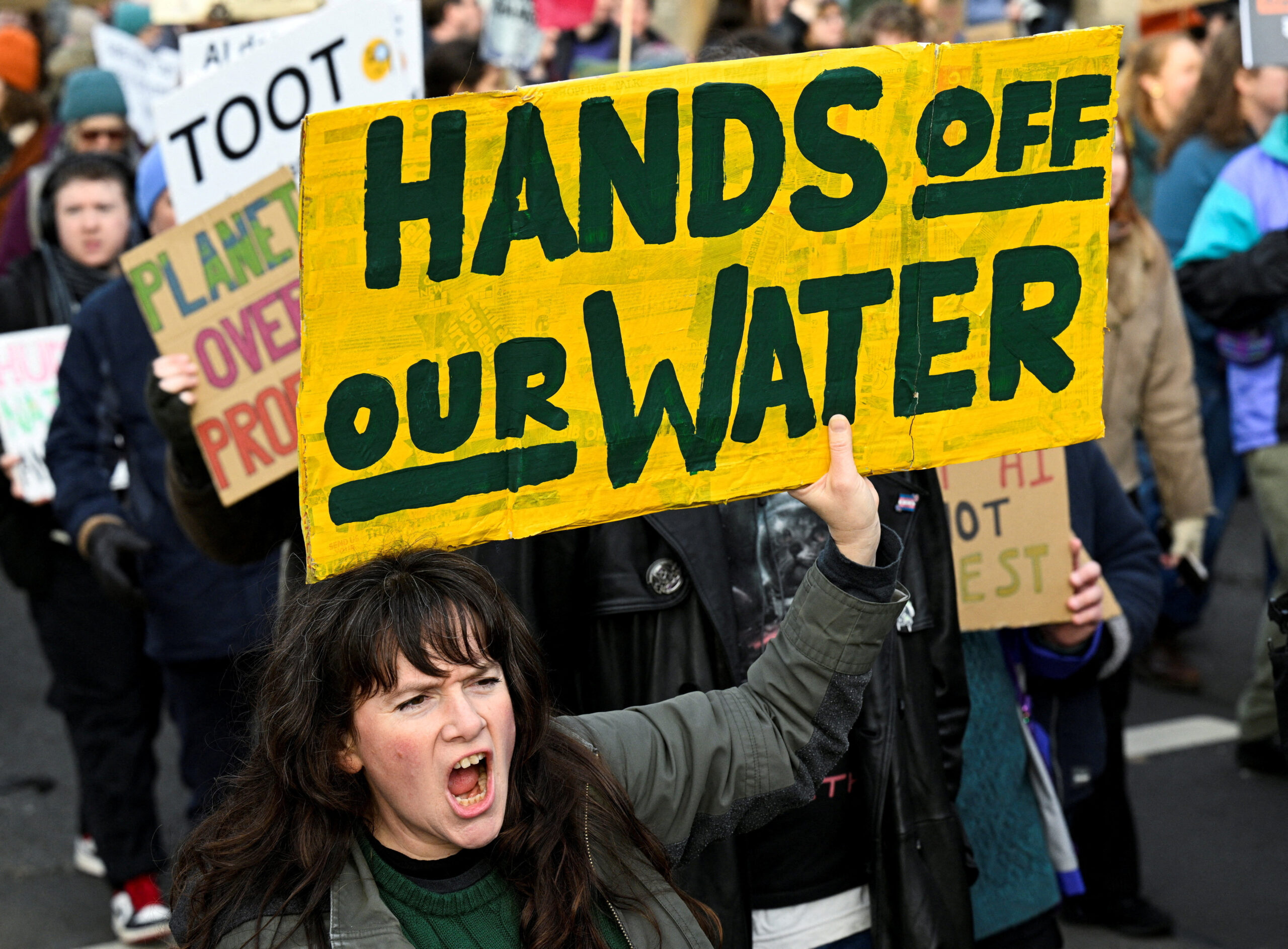
As the government steams ahead with plans for more data centres, who is it talking to? And who is getting shut out of the discussion? It has repeatedly claimed they have engaged with environmental organisations on AI data centre policy, but no evidence exists to back up this claim.
In July 2026, Novara Media asked the now defunct Department of Science, Innovation and Technology (DSIT) whether they had engaged with environmental organisations in the creation of their AI Growth Zone policy.
The department did not give an “on the record” comment, but responded “on background”, claiming to have engaged with environmental organisations through a range of channels, including correspondence and conferences.
Information given on background is reportable but not attributable. It’s used as a way of giving journalists information without publicly tying oneself to it. It is supposed to be an agreement between a source and a reporter, but big tech companies have been accused of increasingly using it as a way of obfuscating the truth.
A claim like the one made by DSIT is a big one – it’s the difference between a data centre policy shaped by a whole host of voices (sceptics, supporters, experts and more) and not. It was a claim given without evidence or corroboration, so we asked for some.
We were told that if we wanted a “formal” list of environmental organisations engaged with, we would have to submit a Freedom of Information request. So this is exactly what we did. Two in fact. One request asked for any information on environmental organisations DSIT had engaged with on data centre policy as a whole. Another, narrower request asked specifically about environmental organisations DSIT engaged with as policy was being written between July 2024 and January 2025. On both occasions, the FOI requests were denied on the basis that even assessing whether the department held information on this would take more than the legally capped 24 hours of work to find.
Every government department releases transparency returns each quarter, showing who ministers and senior civil servants met. As we waited for the FOIs to come back (organisations have 20 working days to respond), we manually checked the DSIT transparency returns and found no environmental organisations appeared in this time frame in relation to AI Growth Zone policy.
We reached out to 20 of the biggest and most respected environmental organisations in the country to ask whether they had engaged with the government on AI data centre policy in this period. Of the nine that responded, including Greenpeace, Friends of the Earth, the RSPB, the Rivers Trust, none had been consulted.
While we waited for answers, a new report from Spotlight on Corruption revealed that local authorities and communities were shut out of creating policy around data centres whilst special interests and big tech were prioritised. The report found zero evidence of engagement with environmental organisations in the six months between Labour taking office in 2024 and the announcement of their AI data centre policy in January 2025.
To conduct this research, Spotlight on Corruption searched through transparency returns for 11 government departments. The report also found that 84% of ministerial stakeholder meetings on data centres were with businesses or private sector trade associations. The report documented the revolving door between the government and many of those businesses, revealing 38 ministers and senior civil servants had been hired by AI companies.
It also revealed that no environmental organisations were invited to join the AI Energy Council which was established in April 2025 and tasked with assessing “how the government’s AI ambitions could be powered through clean energy sources”. Microsoft, Google and Amazon Web Services all had representation on the council. The council’s “sustainability working group”, which met only once between April 2025 and July 2026, also did not include any representatives from environmental or sustainability NGOs. Those invited to attend included Google, Amazon Web Services, Microsoft, asset management company Brookfield, data centre company Equinix and a number of energy companies and universities.
During last month’s budget a new “data centre covenant” was announced, aiming to protect the environment and communities as data centres expand, amid concerns around their environmental impact – from water and energy consumption, noise pollution, and local heat bubbles.
There are approximately 602 data centres in the UK, with more planned. The majority are in London and the broader south east, with towns like Slough seeing particularly high concentrations. National government often intervenes in planning decisions, overruling local concerns.
Kierra Box, AI and data centre campaigner at Friends of the Earth, said: “It’s been clear for some time that local campaigners and environmental organisations aren’t getting a seat at the table when it comes to data centres, but the sheer number of government meetings with lobbyists is seriously alarming.”
Senior campaign lead at Spotlight on Corruption Kamila Kingstone said the government must have a “clear stakeholder engagement plan to make sure that it fully engages environmental and community groups” and update the UK’s lobbying transparency regime. “Without this, there will continue to be a murky picture of who government officials are – and aren’t – meeting,” she said.
Since DSIT was abolished, responsibility for AI policy is now split between the Department of Business, Innovation, Science and Trade (BIST) and the cabinet office.
The evidence presented in Spotlight’s report suggests that the government has not, in fact, consult environmental organisations. Were that to be the case, that would mean the government’s response to Novara Media’s inquiries had been unclear at best and actively misleading at worst.
Green Party leader Zack Polanski said: “This government is letting big tech companies hoover up our energy and water and ride roughshod over local communities with their climate-wrecking data centres. Now it appears they have shamefully misled the public about listening to environmental organisations about the impact of these data centres.
“We need to urgently put the brakes on the construction of new data centres and put the needs of communities and the climate above tech giants.”
We went back to the government to challenge them on their previous claim. The cabinet office responded once again on background, saying it had engaged with environmental organisations and environmental academics on data centre policy through a range of channels and that it is simply untrue to claim that it had not.
We invited the cabinet office to provide evidence to corroborate this claim or to put the claim on the record. It did not respond.
Ben Smoke is a journalist.