The Greens Just Made Keir Starmer Yesterday’s Man
British politics is changing fast.
by Aaron Bastani
27 February 2026
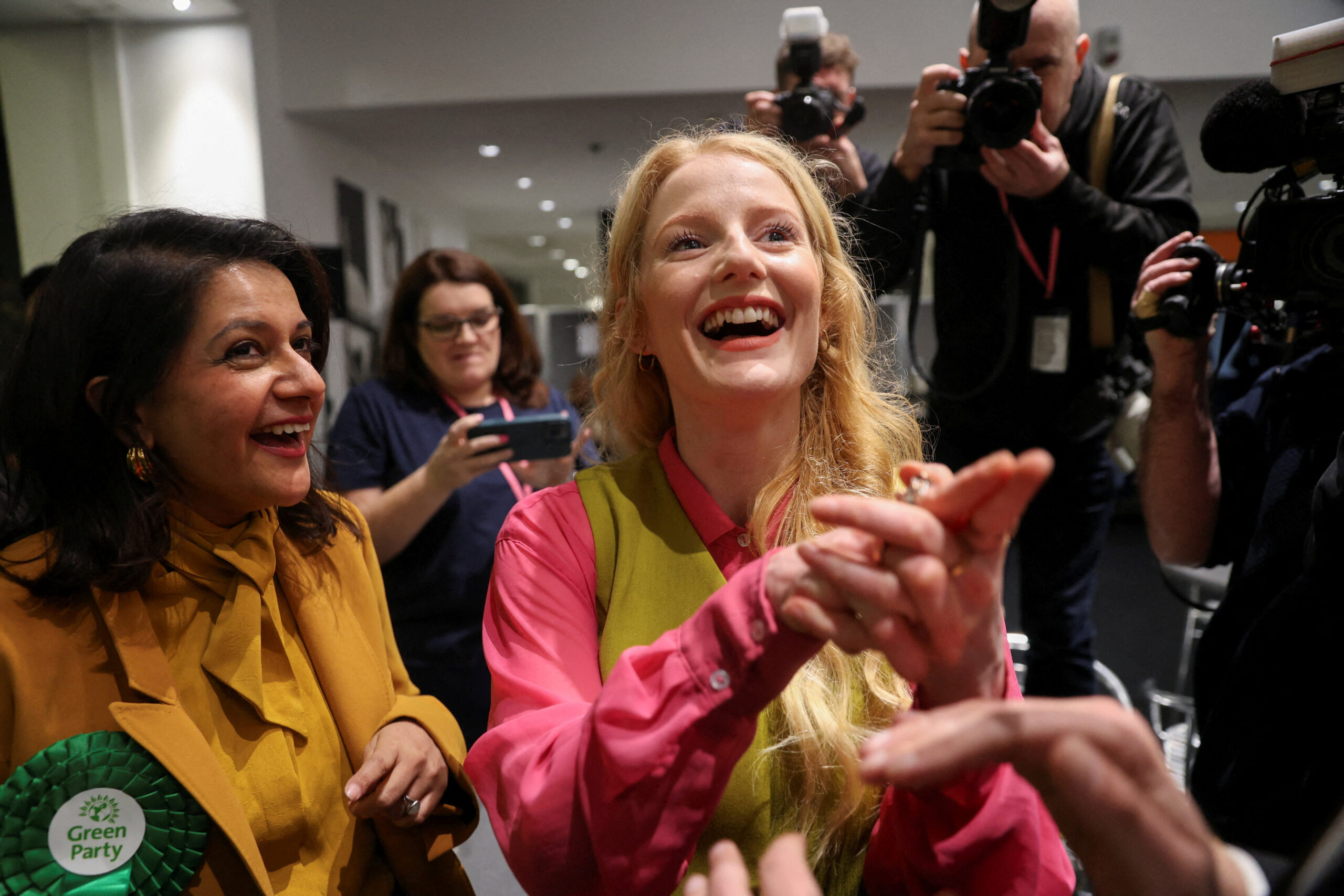
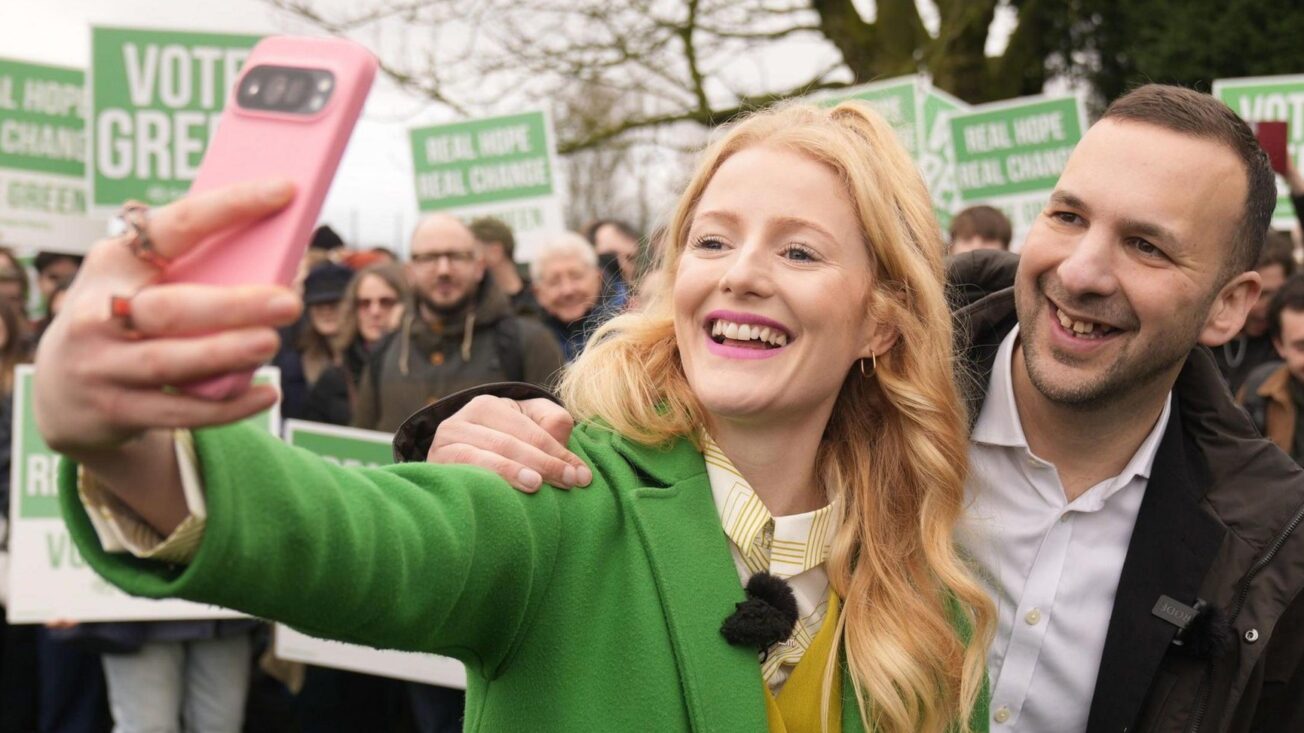
By around 1am in Gorton and Denton, it had become clear that, yes, the Green party would win the by-election in the Greater Manchester seat, and that Hannah Spencer would be its fifth MP.
The count itself was a five minute drive away or, for more virtuous Greens, a 20 minute walk. But the official ‘event’ – which was definitely not a party – was the place to be as the story of the night unfolded.
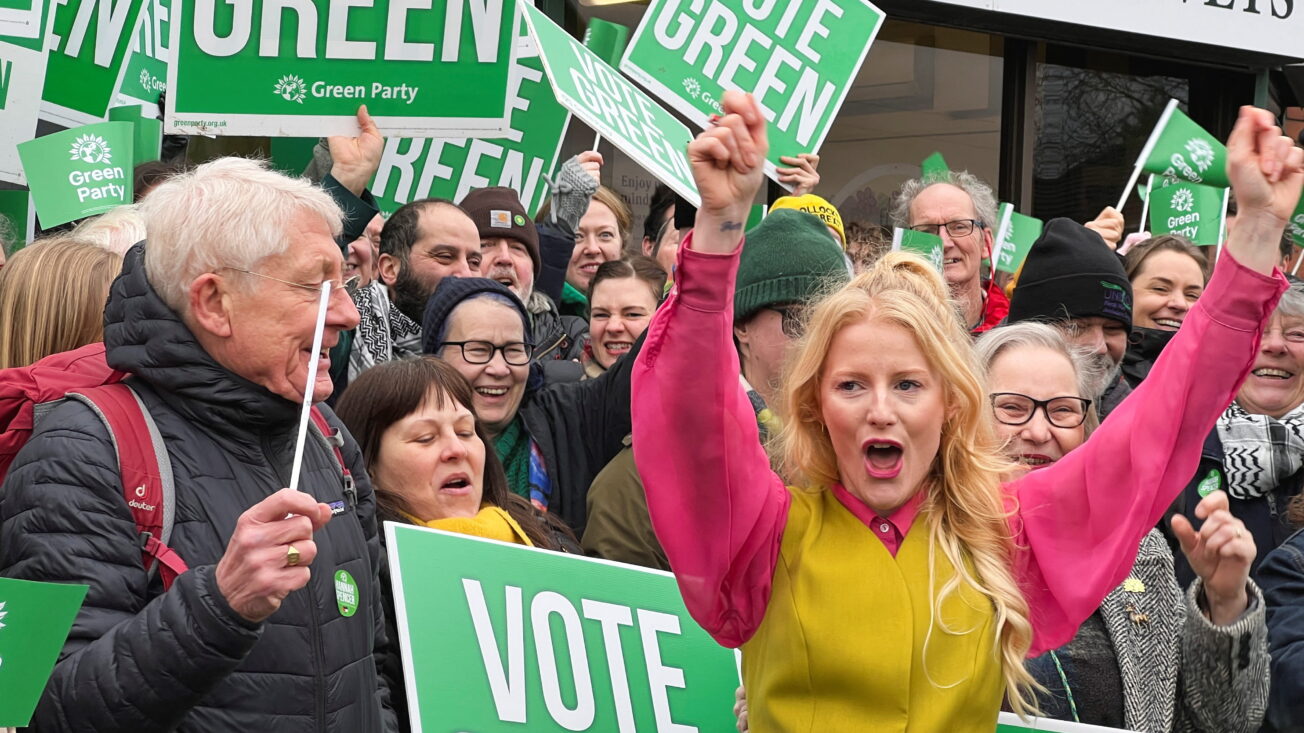
With the gravity of a potential Green victory dawning on me, I realised Darude’s Sandstorm was playing. Not long after, Mothin Ali – one of the party’s deputy leaders – was crowdsurfing. Hundreds of party activists, many of whom had campaigned for weeks, were set on having fun regardless.
But when the result finally came through just after 4.30am, it still felt like an earthquake – and the celebrations went up a notch.
The Green party crushed its two rivals, with Spencer enjoying more than 4,400 votes over Reform’s Matt Goodwin. Labour, which finished third, was more than 5,600 votes behind the victorious plumber. In the last general election, the party had scooped up over half the vote.
When this campaign began, Spencer’s operation had virtually no data. Labour, by contrast, could draw on decades of voter contacts, patronage networks and an army of councillors and activists across the North West. Had Keir Starmer not blocked the selection of Andy Burnham then, in all likelihood, last night would have been a Labour hold. That he chose to do something so stupid should sound his political death knell.
Spencer is an outstanding candidate, but the Greens also just recorded a massive win in a constituency that wasn’t even in their top 100 targets. Which begs a question: what is the party’s upper limit at the next general election? Leader Zack Polanski has previously stated he wants 50 MPs, but perhaps that will now be reviewed.
In her victory speech, Spencer spoke about flytipping, litter and the cost of living. It’s easy to grasp why her majority outstripped expectations: many would-be Reform voters no doubt would have agreed with words similar to those over the preceding weeks.
Shortly after polling stations closed on Thursday, BBC Question Time, the corporation’s leading political debate show, was broadcast. No Green politician or Green adjacent figure had been invited. The same happened last week, too. And yet, despite their lockout by much of the media, and the relentless lies and negative campaigning by both Labour and Reform – including the claim they want people’s daughters be “used for legal prostitution” – they triumphed. It turns out that hope, and a formidable candidate, can move mountains.
Humiliation is a perennial feature of political life, and even the most successful exponents suffer serious setbacks (Tony Blair losing the London mayoralty to an independent called Ken Livingstone springs to mind). Yet never before has such a defeat been so foreseeable, and so eagerly self-inflicted, as it was here by Starmer.
Besides gaining a fifth MP, the Green party also soon expects to surpass 200,000 members. Many think it’s only a matter of time before, like Reform last year, it overtakes Labour. British politics is changing fast – and given the scale of this morning’s Green victory, perhaps even faster than Polanski claims.
Aaron Bastani is a Novara Media contributing editor and co-founder.