Sustained Protest Works. That’s Why Starmer Wants to Stop It
RIP, Right to Protest?
by Harriet Williamson
17 April 2026
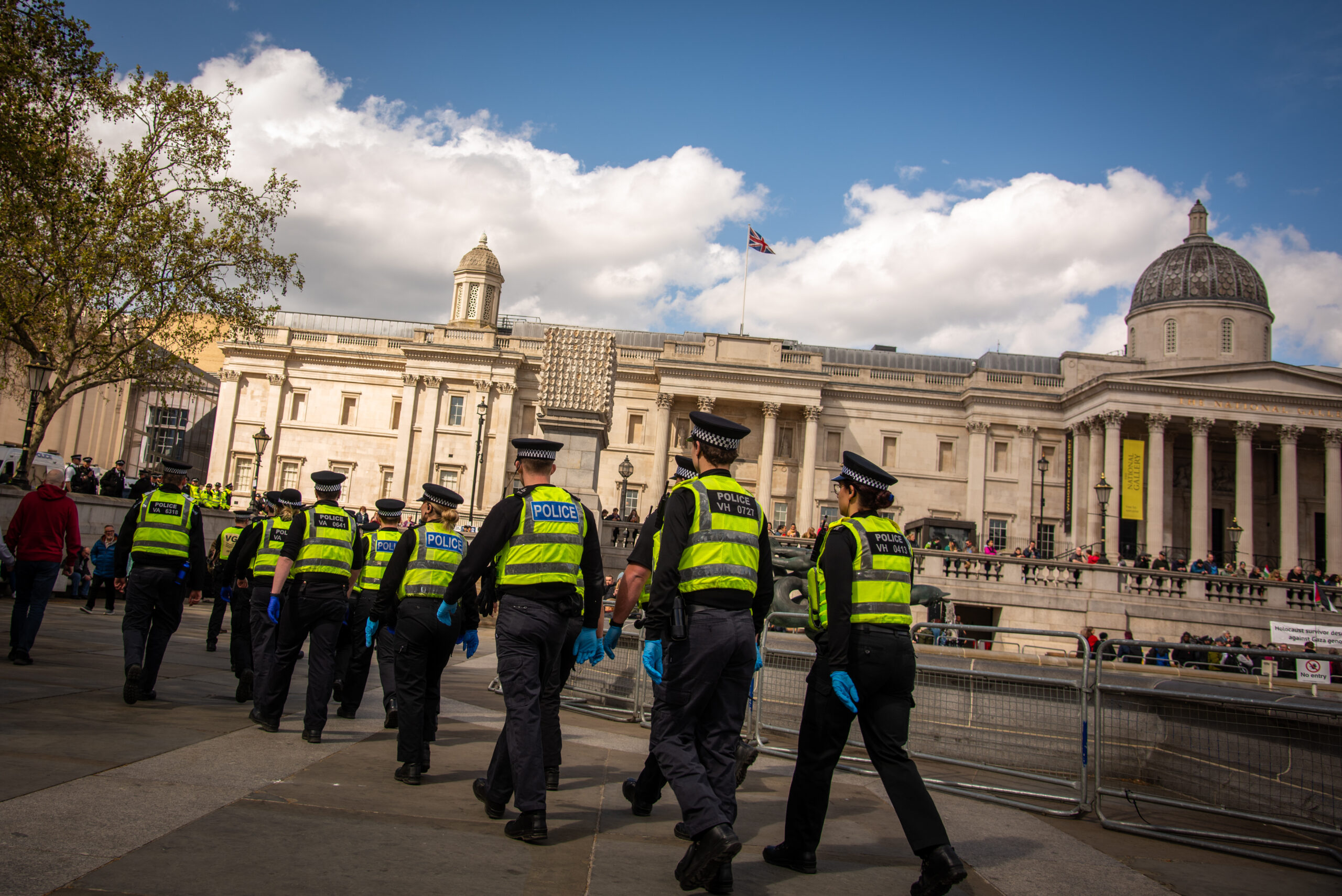
This week, Keir Starmer’s supermajority in the Commons voted through a controversial amendment to the wide-ranging crime and policing bill that will allow police to ban or limit protests in areas that see repeat demonstrations.
The bill – which also includes new provisions on theft, non-consensual sexual images, flytipping and antisocial behaviour – had the protest amendment written into it during its House of Lords stages, meaning MPs didn’t get to scrutinise it in the chamber until the vote on Tuesday.
Labour MP for Liverpool Riverside, Kim Johnson, pointed out that the amendment appeared to “sneakily come through the back door”. I’d go further. Sneaking dangerous authoritarianism into British public life under the cover of a red rosette is a feature of Starmer’s Labour, rather than a bug.
The new anti-protest amendment will require senior police officers to take into account the “cumulative effect” of protests in the same area when deciding if the threshold is met to ban or limit demonstrations for causing “serious disruption to the life of the community”.
It doesn’t matter if the protests are organised by the same person, attended by any of the same people, or even about the same issue. What counts as the same area is down to police discretion. Essentially, the amendment – which has been condemned by faith leaders across religious traditions – hands the police vast powers to decide which protests can go ahead, in what form and where, and will undoubtedly exert a chilling effect on the right to free assembly.
Zarah Sultana, Your Party MP for Coventry South, also identified one potential use of the new clause as criminalising sustained strike action. And it’s not much of a stretch to see this as directly targeting regular nationwide Palestinian solidarity marches held to protest Israel’s ongoing genocide in Gaza.
By its very nature, successful protest – from banning fracking to repealing Section 28 – is sustained, persistent and disruptive. Without these factors, there is no leverage and protest is rendered toothless and comfortably ignored. The Suffragettes – now so feted by the parliamentary elite that they’re emblazoned on cute gift shop tea towels – engaged in cumulative, highly disruptive and militant forms of protest with the motto “deeds not words”.
Alongside the suffragettes, the anti-apartheid movement was highlighted by Labour MP Andy McDonald as an example of “cumulative and persistent protest”. Supported by 31 cross-bench colleagues, McDonald sought separate votes on new amendments introduced in the 550-page crime and policing bill, instead of having them all bundled into a single vote. While some got their own votes, the “cumulative disruption” addition was wrapped into a motion to agree with “all remaining Lords amendments” and passed easily. Both Houses now need to agree on a final draft for the bill to become law.
Another controversial ‘bundling’ vote last July ended up with direct action group Palestine Action proscribed as a terrorist organisation when it was rolled in with two white supremacist outfits – Maniacs Murder Cult and the Russian Imperial Movement. On the same day Palestine Action – a group that aims to shut down weapons factories facilitating Israel’s ongoing genocide in Gaza – was banned, MPs played dress-up in Suffragette sashes.
The proscription of Palestine Action has since been ruled unlawful by a high court panel that includes the most senior judge in the administrative court. It has resulted in humiliating scenes for the British government broadcast around the world, of hordes of cops in high-vis arresting a disabled RAF veteran and an 83-year-old former Anglican priest, and dragging away frail pensioners to be charged as ‘terrorists’.
Home Office minister Sarah Jones described the new police powers as a “minor change” on Tuesday, saying “we have no desire, and will never seek, to reduce people’s rights to protest”. Does the Westminster elite think we’re all fools?
Jones’s government – and indeed her department – has carried out perhaps the biggest authoritarian crackdown on free speech and assembly in this country’s living memory. More than 2,700 people have been arrested as a result of the ban on Palestine Action, and policing efforts have cost the taxpayer in excess of £10m. Last Saturday saw over 500 people arrested in London’s Trafalgar Square for holding placards that read: “I oppose genocide. I support Palestine Action.”
Politicians and the media elite in this country love to look down their noses at other governments around the world, bemoaning anti-democratic repression – think of Cooper calling the Iranian government an “abhorrent regime”. This government and its press cheerleaders have ceded all moral high ground when it comes to authoritarianism.
Thinking ahead, Labour MP for the City of Durham Mary Kelly Foy pointed out that it would be “naive not to ask how a future hard-right government might use a power like this”. Lol and lmao, Mary. It might be a bit late for that.
Harriet Williamson is a commissioning editor and reporter for Novara Media.