Trans Segregation Is Becoming Law. What Can We Do About It?
The left has been slow to react to the Equality and Human Rights Commission’s (EHRC) code of practice on ‘single-sex spaces’ laid before parliament last week, for several reasons.
The code was snuck out on a Thursday evening, in the hope this would prevent a repeat of the countrywide mobilisation after the Supreme Court decision that led to this guidance in April 2025. The trans community is exhausted, having spent a year waiting, without hope, that the government might substantially alter, or even reject this charter to exclude trans people from public spaces on the grounds of it being unworkable if nothing else, and had their worst expectations realised. Lots of energy went into that initial response – including, for me, a long essay on who got us here, and how – and while it’s likely the delay was because Bridget Phillipson, minister for women and equalities, was trying to satisfy the ‘gender critical’ lobby that has captured the EHRC and every major news outlet without passing unpopular legislation before the local elections, the effect has been to deflate the activists who opposed it. (It’s little comfort that, as expected, that lobby has reacted by gloating over Phillipson and then making more demands.)
Perhaps parts of the left haven’t grasped the seriousness of the code. In giving justification for organisations – and an order to public bodies such as schools or healthcare providers – to exclude trans people from service provision, it emboldens transphobes to make more extreme demands, and the far right to move onto other targets: gay and lesbian rights, abortion rights, and other issues of personal freedom and bodily autonomy. Transphobia has been a recruiting tool and binding agent for far-right movements across the world, and a battering ram in rolling back human rights more broadly, as Amnesty International has noted. Amnesty’s recent report on how endless anti-trans articles paved the way for this guidance, reminiscent of how the anti-gay moral panic of the 1980s led to Section 28, suggests liberals have understood the animus between the transphobic movement: indeed, there is some discomfort among the commentariat about what years of “debate” have facilitated, finally realising that “gender criticals” are not individuals with “legitimate concerns” but an organised, well-funded hate group.
This excellent piece by Toby Buckle, referring to “the end of trans rights in the UK” as “the start of democratic collapse”, has gone viral for its excellent diagnosis of the situation. Which is great, but the next question is: what can we do?
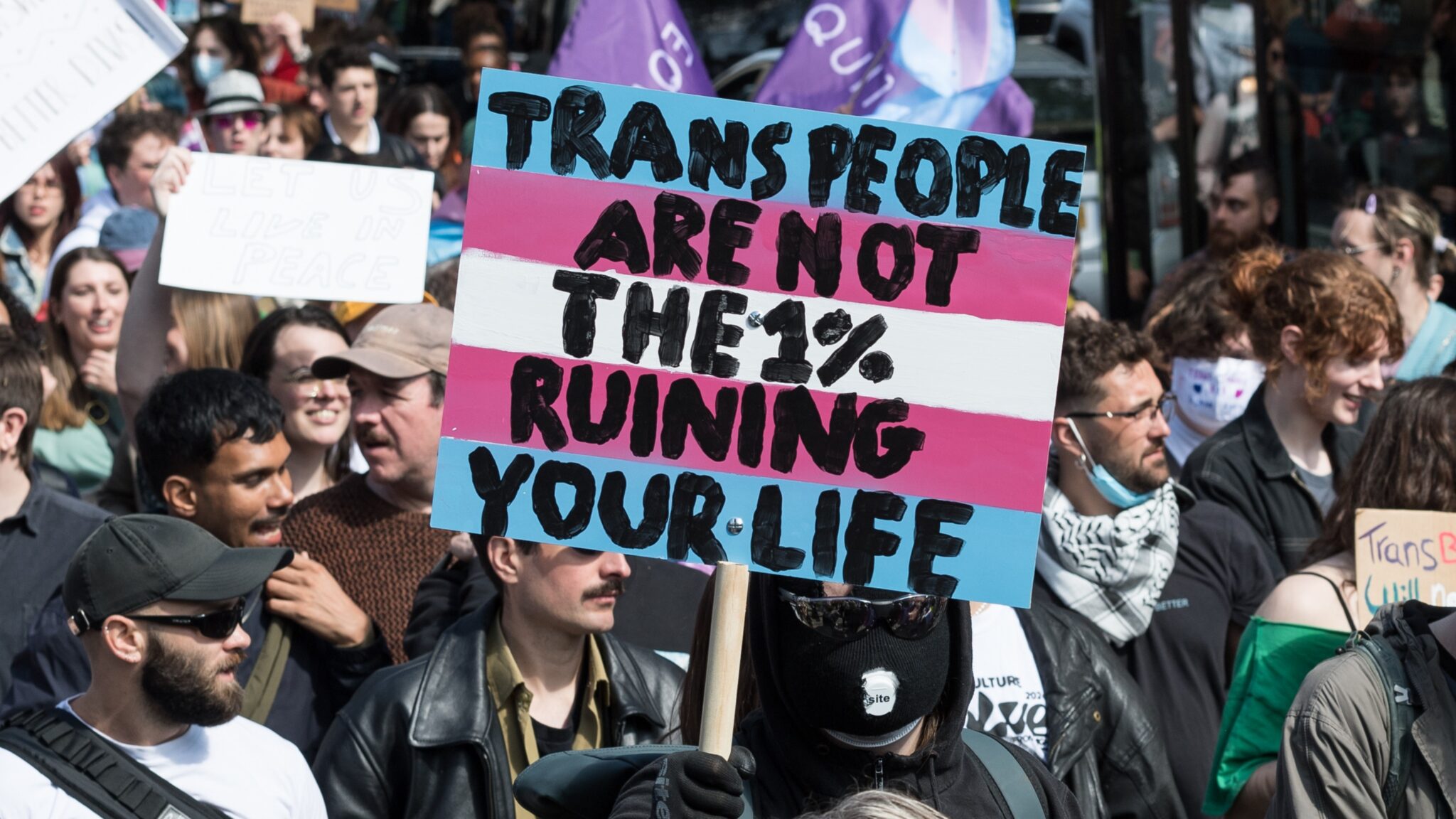
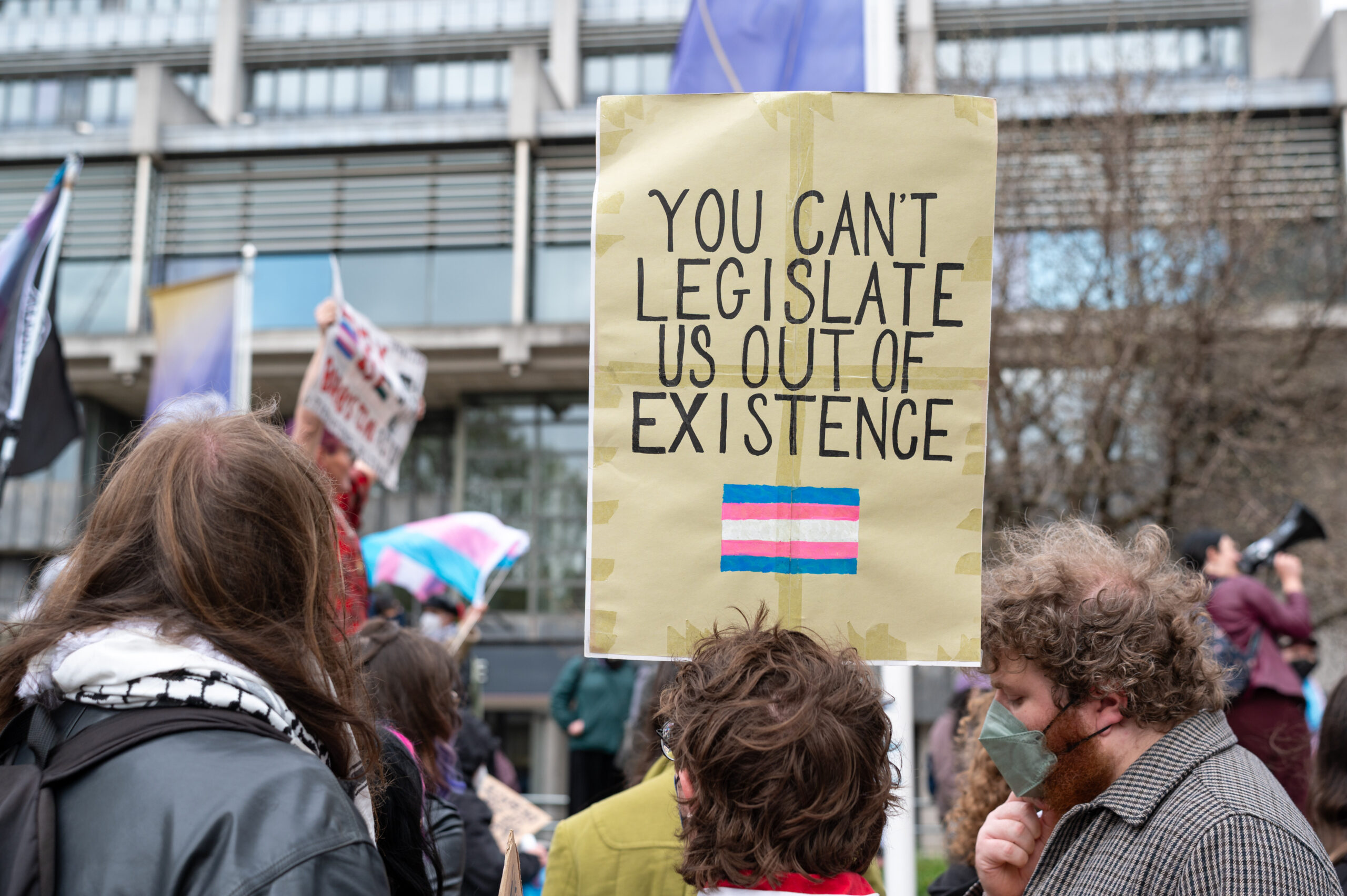
The first thing is to counter this absurdly undemocratic guidance, which didn’t feature in any manifesto in 2024, with democratic participation, however useless that might seem. We have less than 40 days before it passes: unless it’s an obvious waste of time, because they’re Reform or Keir Starmer, write to your MP asking them to challenge the code in parliament. That’s not enough – go to demonstrations, organise Trans Pride events in your town or city, and support the Good Law Project’s legal challenge if you can. If the only power you have is to shun people who welcomed this guidance, use it – they put nothing but hatred into the world and their only punishment, as it stands, will be to receive it back. Ask businesses what they are doing to make trans people feel welcome and engage them in dialogue if you can. Name and shame those who use this guidance to attack trans people (or anyone they don’t like the look of – which it enables) and encourage people to boycott them. Disobey the guidance wherever you can, especially if you have people around you who will support you through any confrontation.
For younger trans people reading this: don’t despair and don’t give up, but don’t feel you need to devote every waking hour to combatting this legislation in particular. One way to respond to people motivated by hatred is to outlive them: not just in the sense of surviving beyond them, as you likely will because British transphobia is driven partly by late middle-aged people who despise the young and can’t admit how far they’ve moved to the right, but also in having more vibrant, creative and exciting lives. At a demo last Saturday, I quoted writer Toni Morrison’s dictum about how racism wastes your time, and how this code is designed to suck all your energy into opposing it. People do need to fight it, of course, and will have to get their hands dirty by taking that fight back into mainstream media spaces that have been doing us harm and trying to change their editorial lines where possible. But you can circumvent tiresome arguments whose terms are set by our appalling billionaire-owned media by making art or music, writing, performing, or just existing – ultimately, that will win hearts and minds as much, if not more than getting bogged down in arguments with bad faith actors.
In 10 or 15 years’ time, the generation pursuing this quixotic war on gender variance will have proved no more able to wipe out trans people than the Nazis. Civil disobedience and trans organisation will flush this contemptible code down the toilet of history, and we can push for a full inquiry into how the EHRC became captured by transphobic fanatics and ask how we can safeguard such bodies from far-right infiltration in future. For now, we can make sure the Labour party knows that this is its Section 28 – a piece of legislation even crueller and stupider than the one it fought to abolish in the early 2000s – and hang it round its neck. If it passes it, the code will kill the party amongst anyone under 50, cementing its reputation as having nothing to offer but the enactment of crackdowns demanded by legacy media. Chances are that, for now, you have a Labour MP – let them know exactly how unforgivable this is.
Juliet Jacques is a writer, filmmaker, broadcaster and academic.