Zohran Mamdani Has Valuable Lessons for the Greens on Antisemitism Attacks
A ‘positive feedback loop’ strategy.
by Joe Todd
21 May 2026
“Zack Polanski is pandering to the antisemitic mob.” “March of the Greenshirts.” “If you don’t think the Greens are mainstreaming Jew-hate, read their own words.”
These are just a few of the headlines from the last month, telling the story of the so-called Green antisemitism crisis. But what makes a crisis? Individual cases of racism can be found in any large organisation. They should only be newsworthy if the racists are disproportionate in number, or have an outsized influence over the party. This is how we distinguish between institutional racism worthy of reporting and a moral panic whipped up by a media class with other political motivations.
Two recent studies examine the overlap between politics and antisemitism: a poll from 2025 and a report from 2017. Both reach the conclusion that Green supporters and the left are “indistinguishable from the general population” and no more likely to hold antisemitic views. In fact, it’s Reform supporters and the “very rightwing” who most consistently hold antisemitic views. With Farage’s alleged history of Nazi salutes and gas chamber jokes – which he denies – it’s perhaps not surprising that his supporters are more antisemitic, and yet the media continue to frame antisemitism as a leftwing issue.
Sometimes the obvious conclusion is the right one: the press, centrist and far-right politicians are trying to whip up a moral panic about the Green party because they threaten vested interests. The problem is that it’s effective. While there is no antisemitism crisis in the Green party, there is a political crisis. Persistent accusations demoralise activists, eat up airtime, and potentially toxify the Greens with some more liberal voters they need to win from Labour and the Liberal Democrats.
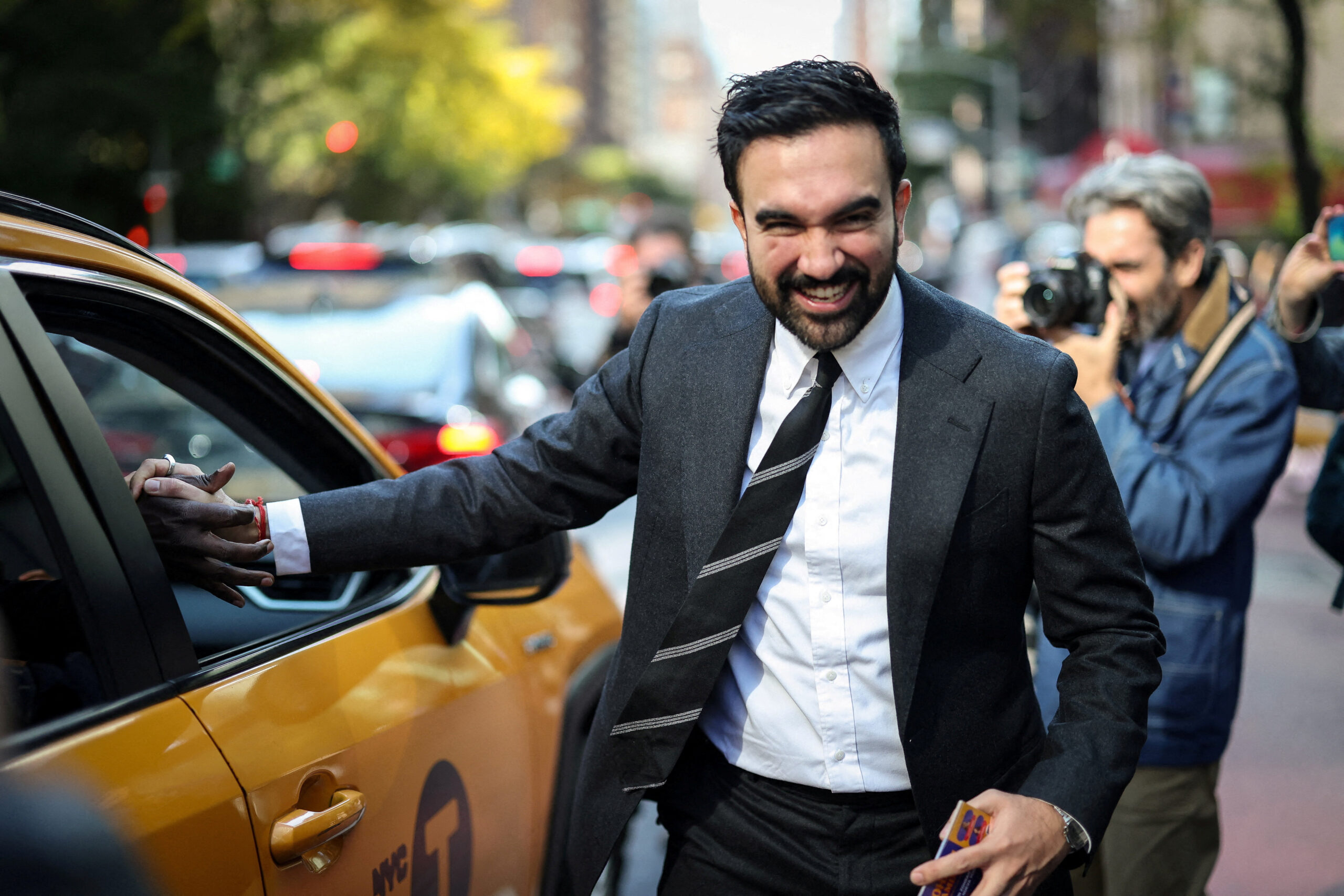
Zohran Mamdani can teach us some lessons. He is a socialist, Muslim, pro-Palestine supporter of BDS who won election in a city with 1.3 million Jewish people and is still riding high in the polls months into his term. Antisemitism was the main attack line throughout the campaign, and yet he managed to win the endorsement of rabbis and the liberal Jewish candidate Brad Lander, and made the establishment attacks on him seem unhinged.
Mamdani pursued a “positive feedback loop” strategy that had four main strands: having policy he could point to that would make Jewish New Yorkers safer, namely an 800% increase in the budget for the hate crimes unit; a proactive outreach strategy with liberal sections of the Jewish community, either to win them over or neutralise; using a universal language of human rights when talking about Israel/Palestine that lands well with liberals and demonstrating an emotional fluency and understanding of the Jewish community and Judaism.
As the campaign wore on, media attacks just didn’t land in the face of Mamdani’s obvious care and compassion, kicking off a positive feedback loop where the more they attacked him, the more deranged the press seemed, further pushing voters towards Mamdani. Crucially, this strategy wasn’t about winning Jewish votes, although Mamdani did in large numbers. It was about avoiding toxification with the liberal voters that Mamdani – and Polanski in the UK – need to win a majority.
Polanski’s strategy of using his Jewish identity in a reactive way to ‘hold the line’ against attacks isn’t quite enough. A successful left-populism isn’t about being agro on every single issue, but picking fights that align us with the people – ideally with style, panache and grace – and strategically neutralising those that don’t. This doesn’t mean he should apologise all the time either – swagger and confidence is important in politics – or pledge to kick out every single racist, an impossibility in a mass political party.
Instead, Polanski needs to adopt a more front-footed strategy that learns from Mamdani’s success. Some of the playbook can be copied: engaging with the Jewish community, an easier ask of Polanski as he is Jewish; adopting policy that will actually make Jewish people safer; demonstrating emotional fluency in key moments rather than going to war with the Met police. But the analogy only goes so far. While Mamdani and Corbyn were personally branded as antisemites, the attacks on Polanski are a more subtle attempt to strip him of his Jewish identity and question his judgement.
This is how the story goes: all the antisemites from Corbyn’s Labour and the Palestine movement have joined the Greens, and turned what was once a cuddly nature party into a hotbed of racism. Polanski’s enthusiasm for the new members shows he’s permissive about racism and has bad judgement. Hence the focus on comments from council candidates and members, in an attempt to stir up division between the Green’s liberal old guard and the new populist leadership.
This will be very difficult to stop entirely. How do you properly vet thousands of council candidates every single year in a decentralised party? Yet it must be a bureaucratic priority alongside a speedy disciplinary process. At least they won’t suffer Corbyn’s nightmare, where the disciplinary system was run by rightwing Labour staffers who deliberately slowed down complaints and expulsions to cause the leadership problems.
The other ingredient, that Mamdani had in spades but the Greens sorely lack, is discipline. Polanski doesn’t need to retweet random accounts about police violence and kick off weeks of negative headlines right before the local elections, just as Greens for Palestine don’t need to push the polarising Zionism is Racism motion at summer conference that give the press another excuse to talk about Green antisemitism.
As I’ve argued elsewhere, only a majority-winning Green party will actually do any anti-Zionism, and to get there we’ll have to pick big fights on our terms, and avoid getting bogged down in defensive battles about issues most people don’t care about. Press attacks are inevitable, but a fire needs fuel. It’s the left’s job not to give it to them.
Joe Todd is a researcher and writer. He co-hosts the Life of the Party podcast and writes the New Party, Old Problems Substack.